Social Welfare, Community Engagement, and Gender Inclusion at TPRC
The Thinker’s Policy and Research Centre (TPRC) works to bridge the gap between research, policymaking, and community welfare in Pakistan. Our primary goal is to identify social and policy challenges through research and translate research findings into practical solutions. We focus on education, women’s empowerment, youth development, climate awareness, social justice, and humanitarian support. Our secondary goals include promoting local culture, strengthening academic dialogue, and creating inclusive spaces for marginalized communities.
Our core activities include research training, policy dialogues, academic conferences, community education programs, environmental awareness campaigns, and humanitarian initiatives. We also undertake responsive welfare activities such as flood relief, free medical camps, and emergency assistance for vulnerable communities.
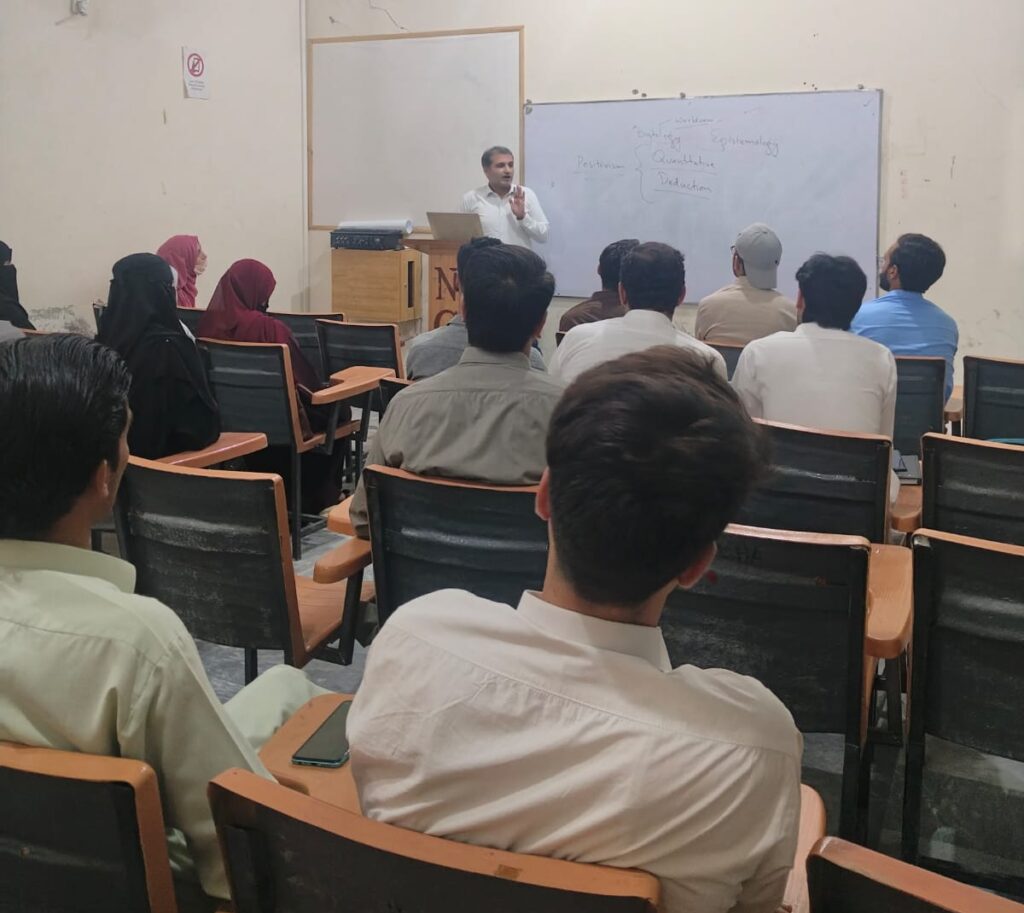
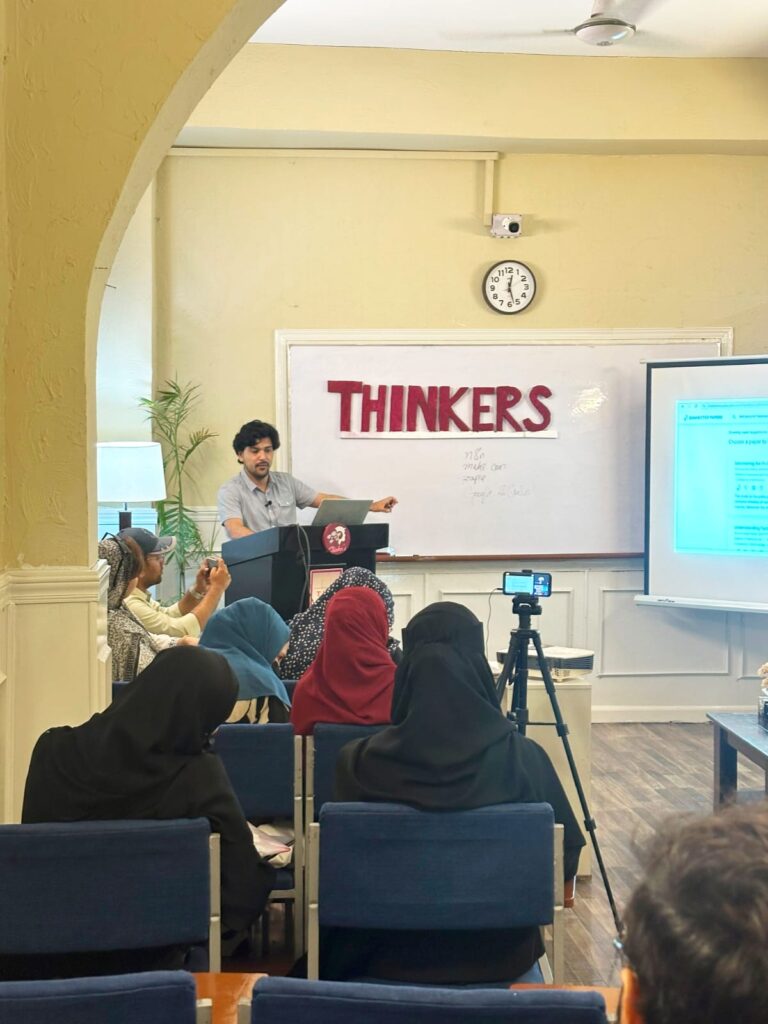
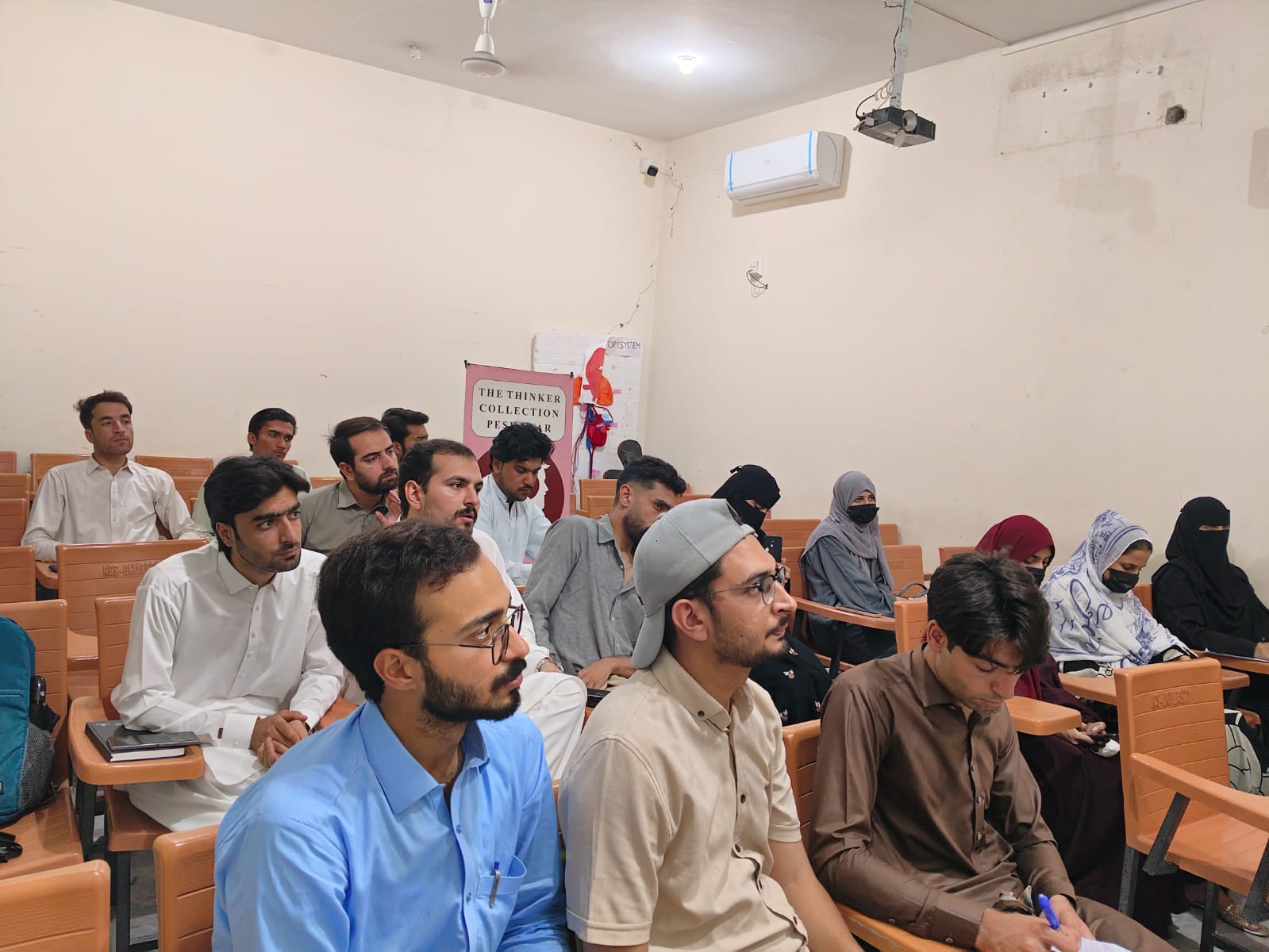
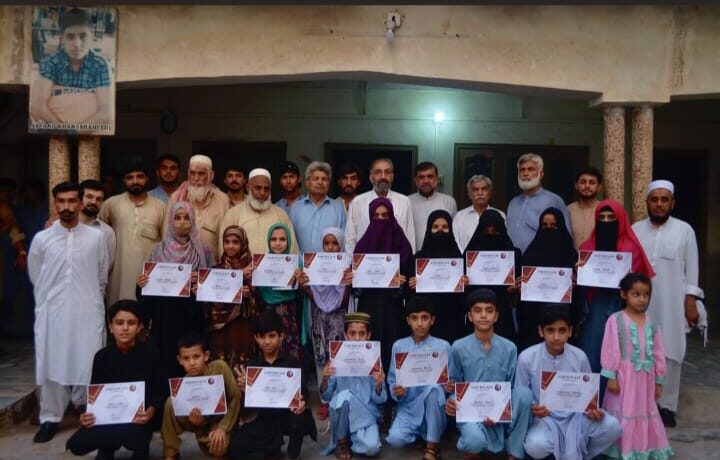
One of our key achievements has been launching free English-language and digital literacy programs in traditional Pashtun Hujras- which are traditional communal guest houses or gathering spaces in Pashtun culture that have historically served as places for community meetings, hospitality, accommodation for male guests, and the resolution of local disputes. Although Hujras have traditionally been regarded as male spaces and have not typically been used for welfare initiatives, TPRC has transformed these spaces into centres for education by providing learning opportunities for both boys and girls, particularly by opening Hujras to girls’ participation. This has been a significant social achievement, challenging long-standing cultural barriers and fostering greater acceptance of women and girls in community learning spaces.
In the area of environmental welfare, TPRC has prioritized awareness rather than plantation drives alone. We have conducted door-to-door campaigns and five-day community awareness camps to educate local residents about the importance of tree plantation and climate responsibility. Our approach links environmental awareness with economic wellbeing by demonstrating how improved climate conditions can reduce flood risks, lower energy consumption, protect businesses from climate-related disruptions, and improve working conditions for labourers. We believe that climate stability directly contributes to poverty reduction and strengthens sustainable livelihoods.
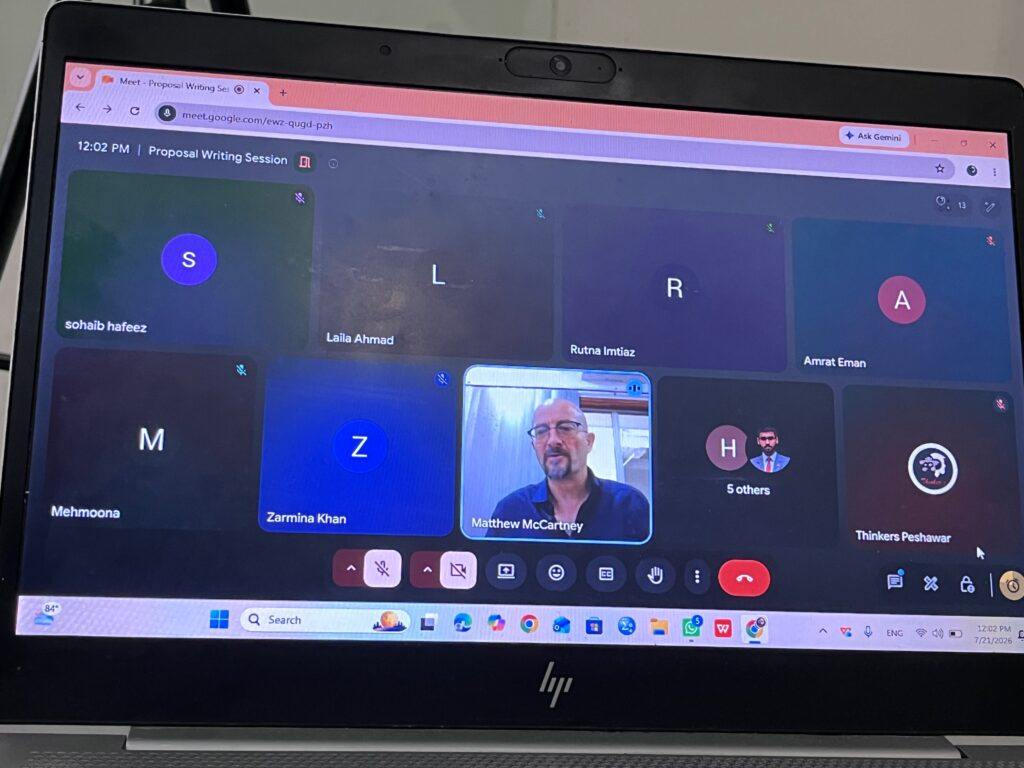
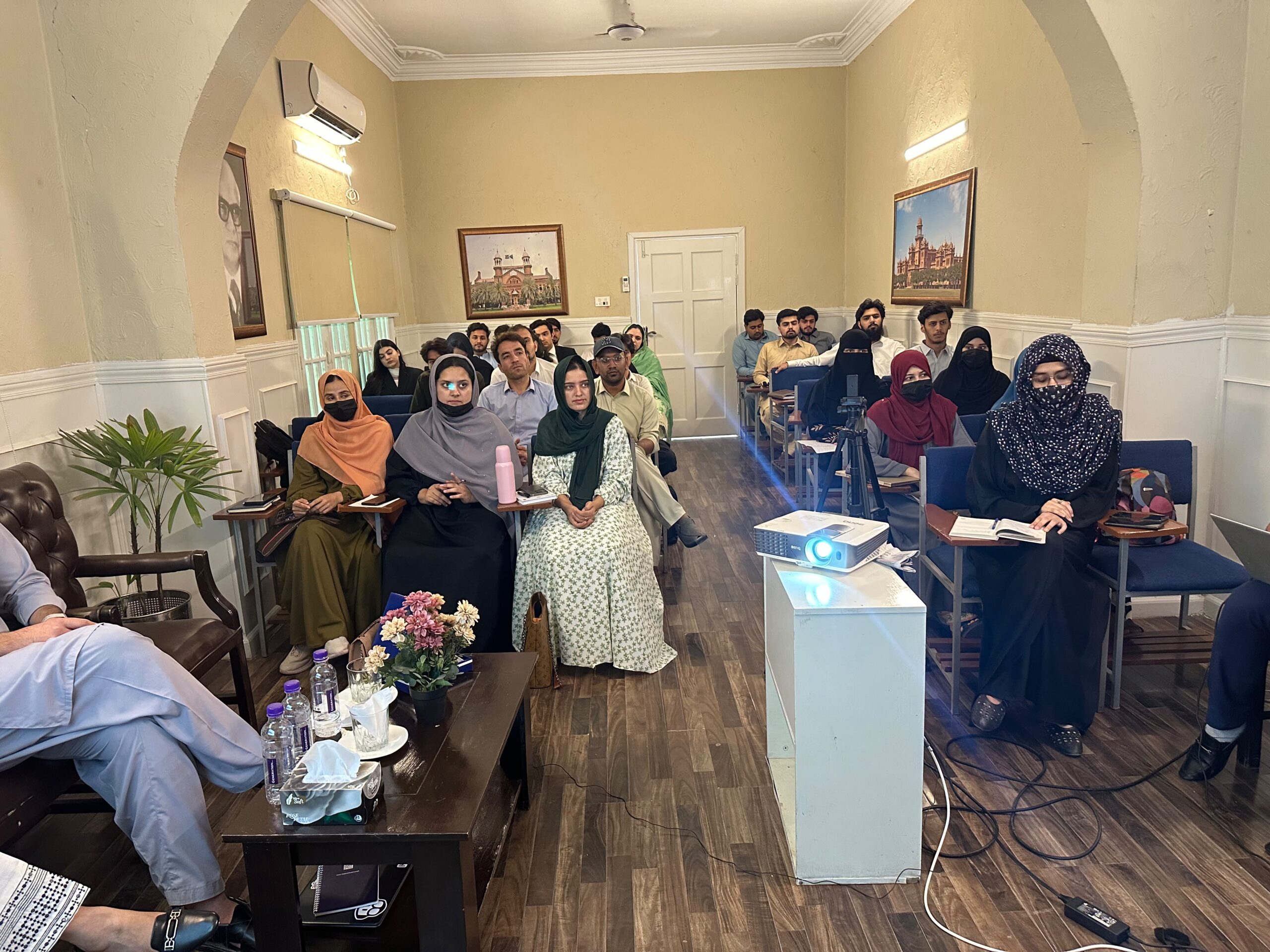
Another major achievement is our International Summer Research School, through which we provide free, practical research training to graduate and postgraduate students. Participants receive hands-on training in research methodology, academic writing, and policy analysis. The programme also serves as an important bridge between local and global academia by connecting students from Peshawar with foreign professors and international experts, providing them with exposure to global research practices and diverse academic perspectives. This initiative has strengthened research capacity among young people while creating valuable opportunities for international academic collaboration.
The establishment of TPRC was driven by the need to address persistent social and policy challenges in Pakistan, particularly in Khyber Pakhtunkhwa, where educational inequality, limited opportunities for women, climate vulnerability, poverty, and weak policy implementation continue to affect communities. TPRC was founded to respond to these challenges through research-driven, evidence-based, and community-centred solutions that promote inclusive and sustainable social development.
My Journey into Social Welfare Leadership
My journey into social welfare leadership was shaped primarily by my academic experiences rather than by a family tradition or occupation. During my MPhil at Forman Christian College (FCC), Lahore, I observed how universities and civil society institutions can play a transformative role in shaping young people’s minds, leadership skills, and sense of civic responsibility. This experience fundamentally changed my understanding of social development and inspired me to establish the TPRC as a platform where research, education, and community engagement could work together to address pressing public challenges.
My time at FCC was also personally transformative. Like many students living away from home for the first time, I struggled with homesickness, academic pressure, and the constant anxiety associated with examinations. During this period, I attended an international conference in the FCC auditorium where one of the Visiting Professors spoke about the importance of welfare work, community service, and volunteering in creating purpose, building resilience, and improving overall wellbeing. That message remained with me. I realized that serving others not only creates positive change within society but also gives individuals a stronger sense of purpose and hope. From that day onward, I became actively involved in community initiatives- not only to contribute to society, but also because meaningful service helped me become more confident, connected, and mentally resilient.
Another major source of inspiration was the Centre for Public Policy and Governance at Forman Christian College. Through its policy dialogues, state-level conferences, policy briefs, and engagement with academics and policymakers, I learned how rigorous research can influence public policy and contribute to better governance. I was inspired to introduce a similar culture of evidence-based dialogue and policy engagement in Khyber Pakhtunkhwa, where such opportunities are comparatively limited.
Outside the classroom, I was equally inspired by Lahore’s cultural institutions. During weekends, I regularly visited the Alhamra Arts Council, where I witnessed how theatre, music, literature, and public cultural activities can positively shape society, encourage critical thinking, and provide constructive spaces for young people. These experiences reinforced my belief that education and culture are powerful instruments for social change. They motivated me to organize academic conferences, cultural events, policy dialogues, and research training programs that promote both intellectual development and community cohesion in Peshawar city.
As the Founder and Project Manager of TPRC, my role extends well beyond administration. I lead the organization’s strategic planning, design research and community development projects, build partnerships with universities, government institutions, and international scholars, supervise research activities, mentor young volunteers and interns, and ensure that our initiatives respond to genuine community needs. Leading a welfare organization requires integrity, accountability, collaboration, and the ability to translate research into practical action that delivers meaningful benefits for society. Alongside leading TPRC efforts, I also serve as a Visiting Lecturer in the Department of Political Science at Hayatabad Government Degree College, Peshawar.
One of the most rewarding moments in my journey has been seeing girls and young women participate in educational sessions held in traditional Pashtun Hujras through our free English-language and digital literacy program. As mentioned, these spaces have been regarded as male-only community centres, and now witnessing females being welcomed into this space to advance their learning demonstrates that education can gradually transform social norms while respecting local culture. Similarly, watching students from Peshawar engage directly with international professors through our International Summer Research School has reinforced my belief that young people in our region can compete globally when they are provided with high-quality opportunities and meaningful mentorship. These experiences continue to motivate me to expand TPRC’s work and create new opportunities for research, education, and community development across Pakistan.
Key Challenges Facing Welfare Development in Pakistan, KP, and TPRC
TPRC operates within a challenging environment where several structural, financial, administrative, and social factors affect the planning and implementation of welfare initiatives. The key challenges currently shaping welfare efforts in Pakistan include the following.
Public Trust and Financial Sustainability
One of the greatest challenges is the lack of public trust in welfare organizations. Many people perceive welfare organizations primarily as fundraising bodies, similar to donation campaigns for mosques. Unfortunately, the unethical practices of a small number of organizations have undermined public confidence in the wider welfare sector.
Financial sustainability is another significant challenge. Most welfare initiatives rely on irregular donations, sponsorships, and voluntary contributions rather than stable, long-term funding. Rising operational costs and inflation further affect our ability to organize programs and expand our work. Securing sustainable financial support for research and community development projects remains a continuing challenge. Despite these constraints, TPRC maintains transparent financial records, carefully documents project activities, and ensures that all resources are managed responsibly, ethically, and with full accountability.
Institutional Collaboration and Administrative Challenges
Although collaboration is essential for effective welfare development, coordination among welfare organizations, universities, government institutions, and civil society remains limited, reducing the overall impact of many initiatives.
Governmental and administrative procedures also present significant obstacles. Welfare organizations frequently encounter lengthy registration processes, delays in obtaining approvals and No Objection Certificates (NOCs), and slow responses from relevant government departments. These delays can hinder the timely implementation of projects. Faster approval procedures, more efficient government institutions, and stronger institutional support would enable welfare organizations to deliver their programs more effectively.
International collaboration also presents challenges. Inviting international scholars and experts is often complicated by visa delays, security concerns, NOC requirements, and negative perceptions regarding safety in Pakistan, all of which can limit valuable opportunities for international academic and policy engagement.
Social Inclusion and Equity
TPRC faces several challenges in promoting equity, access, and inclusion. In many rural and conservative communities, traditional cultural norms continue to limit the participation of women and girls in educational and community development activities. Remote areas also have limited access to quality education, research opportunities, and welfare services.
We additionally face challenges in reaching persons with disabilities, transgender individuals, and other marginalized groups because of social stigma, limited resources, and inadequate infrastructure. Financial constraints further restrict our ability to expand programs into underserved communities.
To address these barriers, TPRC has not given up, but is working to organize community-based programs, creates inclusive learning spaces- such as educational sessions for girls in traditional Pashtun Hujras- and is working closely with local volunteers to improve outreach and community participation.
Key Stakeholders and Partnerships
The success of TPRC’s work depends on collaboration with a wide range of stakeholders. Government institutions play an important role by providing registration, permissions, NOCs, and broader institutional support. More efficient and responsive government departments would further strengthen the implementation of welfare projects.
Students and youth volunteers are central to our activities, contributing to event organization, research, and community programs. Private institutions and businesses support our work through sponsorships and financial assistance for conferences, training programs, and community initiatives. We also collaborate with universities, NGOs, and civil society organizations to promote research, knowledge sharing, and community outreach, thereby maximizing our collective social impact.
Factors Influencing Programme Implementation
The successful implementation of our welfare activities depends primarily on dedicated volunteers, committed team members, and the availability of financial resources. Since many of our programs rely heavily on volunteers, their motivation, commitment, and availability are essential. Financial limitations and irregular funding inevitably influence the scale and sustainability of our activities. Strong teamwork, effective planning, transparent management, and continued support from donors and sponsors are therefore critical to the successful delivery
of our programs.
Several external factors also influence program implementation. Economic challenges, inflation, and government restrictions on certain activities can increase program costs and create operational difficulties. Delays in obtaining approvals or NOCs may postpone planned activities and affect access to communities. Climate-related events, including floods and extreme weather, can disrupt fieldwork, while security concerns and international perceptions about Pakistan may limit collaboration with foreign scholars and experts. These are matters we have to take in stride and respond to as circumstances arise. Thus, resilience, commitment, and flexibility is very important for welfare work.
Strengthening Welfare Development in Pakistan
Greater collaboration among government institutions, NGOs, universities, community organizations, and the private sector has the potential to significantly strengthen welfare development in Pakistan. Public-private partnerships, stronger networking among welfare organizations, and increased support from international donors would improve both the sustainability and long-term impact of welfare initiatives. Furthermore, greater use of research, evidence-based planning, and systematic impact evaluation would help ensure that welfare programs are more effective, transparent, accountable, and responsive to the evolving needs of communities. Pakistan has rich diversity and the cultural norms and welfare response needs to vary based on the community, province, and region being served.
Recommendations for Strengthening Welfare Leadership and Development in Khyber Pakhtunkhwa
Based on my experience, I can offer the following recommendations to strengthen welfare leadership, policymaking, and implementation in Khyber Pakhtunkhwa and across Pakistan. The first priority should be to rebuild public trust in welfare organizations. When welfare organizations approach government departments or private institutions for sponsorships, partnerships, or financial support, they are often viewed with suspicion because a small number of organizations have previously misused donations or lacked transparency. This has created a negative perception of the entire welfare sector. Strengthening transparency, accountability, regular public reporting, and public awareness is therefore essential to restore trust and encourage greater support for credible welfare initiatives while distinguishing genuine organizations from fraudulent ones.
The government should also simplify registration procedures, NOC requirements, and other approval processes. Introducing faster, more transparent, and digital approval systems would enable welfare organizations to implement projects more efficiently, reduce unnecessary administrative delays, and improve service delivery to communities.
Greater collaboration between government institutions, universities, NGOs, the private sector, and local communities is equally important. Developing a national framework for NGO- government collaboration would improve coordination, reduce duplication of efforts, encourage joint welfare initiatives, and maximize the collective impact of available resources.
Long-term investment in young people and sustainable funding should also be prioritized. Supporting internships, volunteer programs, research training, innovation grants, and youth leadership initiatives would equip the next generation with the knowledge, skills, and experience needed to lead future welfare programs. At the same time, greater financial sustainability and active community participation are essential for achieving lasting social development.
International collaboration should be encouraged by simplifying visa and approval procedures for foreign researchers, academic partners, development experts, and international organizations wishing to participate in research and welfare initiatives in Pakistan. Stronger international partnerships can enhance knowledge exchange, research capacity, and the quality of community development programs.
The private sector also has an important role to play in strengthening welfare development. Greater participation through Corporate Social Responsibility (CSR) programs, sponsorships, and incentives for businesses that invest in education, research, and community development would help expand the reach and sustainability of welfare initiatives.
Finally, welfare policymaking should be grounded in evidence. Universities, researchers, civil society organizations, and local communities should be actively involved in the design, implementation, monitoring, and evaluation of welfare programs. Evidence-based policymaking, supported by rigorous research and meaningful community engagement, can ensure that welfare initiatives are more effective, transparent, accountable, and responsive to the evolving needs of society.
For more information and updates about The Thinker’s Policy and Research Centre can be accessed on:
https://www.instagram.com/thinkerpeshawar/