From Street Children to Classrooms
I started this welfare journey at the end of 2022, at a particularly difficult time for Pakistan. At that time the country was experiencing devastating floods, and I was voluntarily involved in relief activities through a student community and a network of people who wanted to help. We began visiting flood camps and affected towns and tried to provide whatever assistance we could.
During a meeting with another person working for flood victims, I shared my background in sociology and my previous experience in education. I had once run a one-room school in my area, where I enrolled five out of twenty children into formal schooling. This experience strengthened my belief that education can change the trajectory of a child’s life.
The person I was working with had an international donor connection who wanted to establish a school for orphans and, particularly, street children- children who were picking up garbage from roadsides, selling masks and flowers, begging, or becoming involved in child labour. I immediately connected with this vision because education and social work had always been close to my heart.
We eventually got together to establish Taqwa Foundation in 2022. Because our overseas donor could not work directly in Pakistan, he asked me to lead the initiative. I became its chairman and led the projects with a team of approximately 14-15 teaching support and management staff.
Education remained our central focus, but our welfare work extended beyond the classroom. During Ramadan, we organized Iftari and distributed food. We also provided monthly food assistance to the families of the children because we understood that educating a child is difficult when the family itself is struggling to survive and is unable to meet nutritional needs.
Turning Street Children into Students
We initially rented a building on Warsak Road, Peshawar city, and started with a small number of children. Within one month, approximately 30 children came voluntarily to study. Most came from families of labourers and daily wage workers. We soon realised, however, that simply opening a school was not enough. We had to convince families and communities that education was worth more than the immediate income a child could bring home. We therefore began campaigns in different areas, met mosque Imams (religious authorities) and community leaders, and spoke directly to parents about the importance of sending their children to school.
Many of the children were involved in begging or street work. Some collected garbage from the roads, while others sold masks and flowers. Their parents depended on this income. We had to work continuously with families to persuade them to withdraw their children from these activities and enroll them in education. After approximately six months, we reached 100 children. Our building quickly became too small, so we expanded it and eventually reached a capacity of around 200 children. By the end of 2023, we had approximately 190-195 children enrolled, and at our peak we were teaching around 200 children.
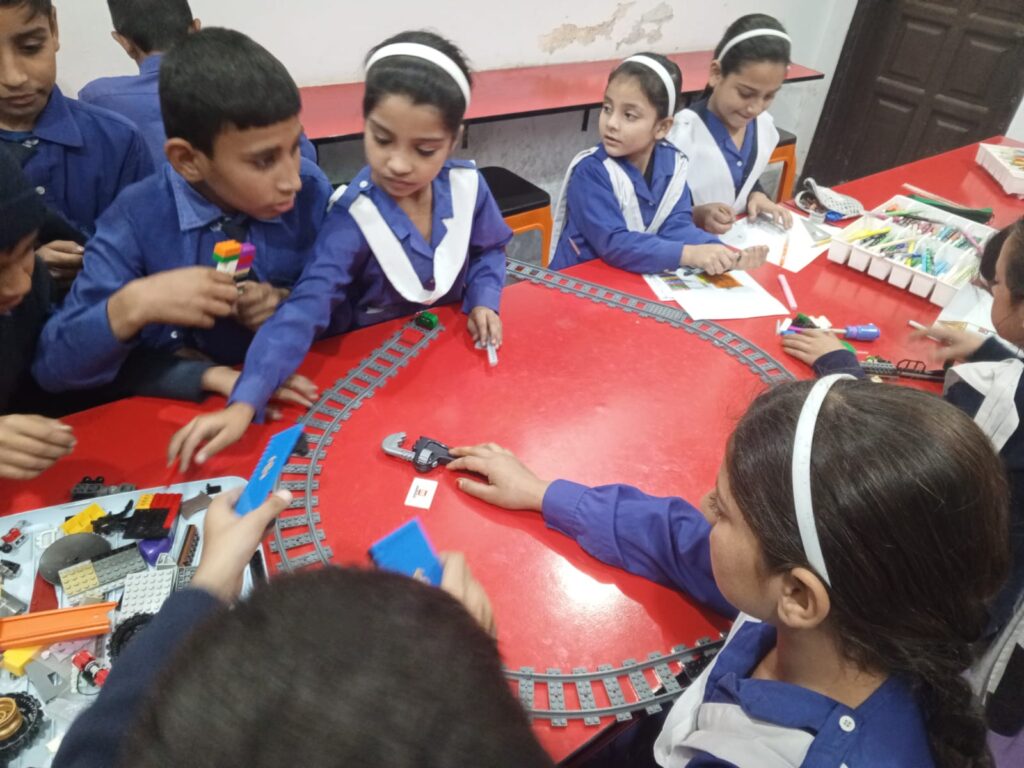
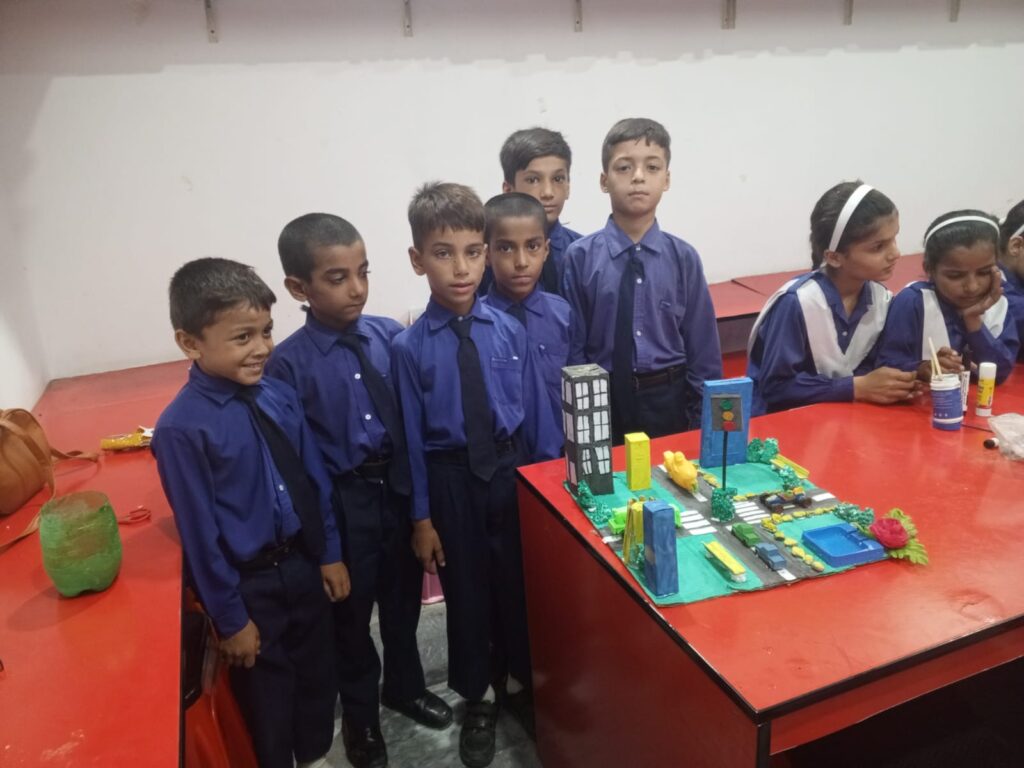
Our objective was not simply to teach children to pass examinations. In fact, we deliberately moved away from a conventional examination and failure-based system. We used activity-based learning and practical assessment instead. Rather than making children feel that they had failed, we assessed them through activities, classroom participation, technology and interactive exercises. This was important because many children who drop out of school do so after experiencing failure. They see their friends moving into another class while they remain behind, and eventually they lose interest in education altogether. We therefore removed the concept of failure from our model.
Our broader goal was to make these children good human beings. I knew that we could not necessarily make every child a doctor or an engineer, but we could give them literacy, confidence, discipline, skills and dignity. Looking back, I believe we were approximately 90% successful in achieving our internal goals. We still have contact with many of these students and their parents. Some children are now studying in fourth or fifth grade. Most importantly, more than 50% of the children who had previously been involved in street life and child labour are now in formal education, either in government or private schools.
Education Beyond the Textbook: Technology, STEM and Dignity
From the beginning, we wanted to offer these children an education that they would otherwise never have had access to. Our approach was strongly influenced by activity-based and technology-supported learning. We trained teachers before sending them into classrooms. Initially, teachers received approximately one month of training. We also worked with educational publishers and trainers who came to provide professional development. We collaborated with educational institutions in the UK and installed interactive screens and educational software from the UK.
One of the most important aspects of our approach was that the children were exposed to educational content similar to what children in the UK were learning. The difference was in how we delivered it. For example, if we were teaching the human body, we could display it on an interactive screen, zoom into different parts and explain them visually through animation. We could explain concepts in Pashto, Urdu, and English. This helped children who had previously had almost no exposure to formal education become interested in learning.
Some children actually wanted to come to school on Sundays. We had to tell them to take a break. Later, as additional donors became involved, we were able to extend the school day. The children arrived at around 8am. We provided breakfast, followed by lunch around noon, and kept them with us until approximately 3 pm. This was not simply because we wanted them to spend more time learning. We knew that if they were released at 12pm or 1pm., many would return directly to child labour or begging.
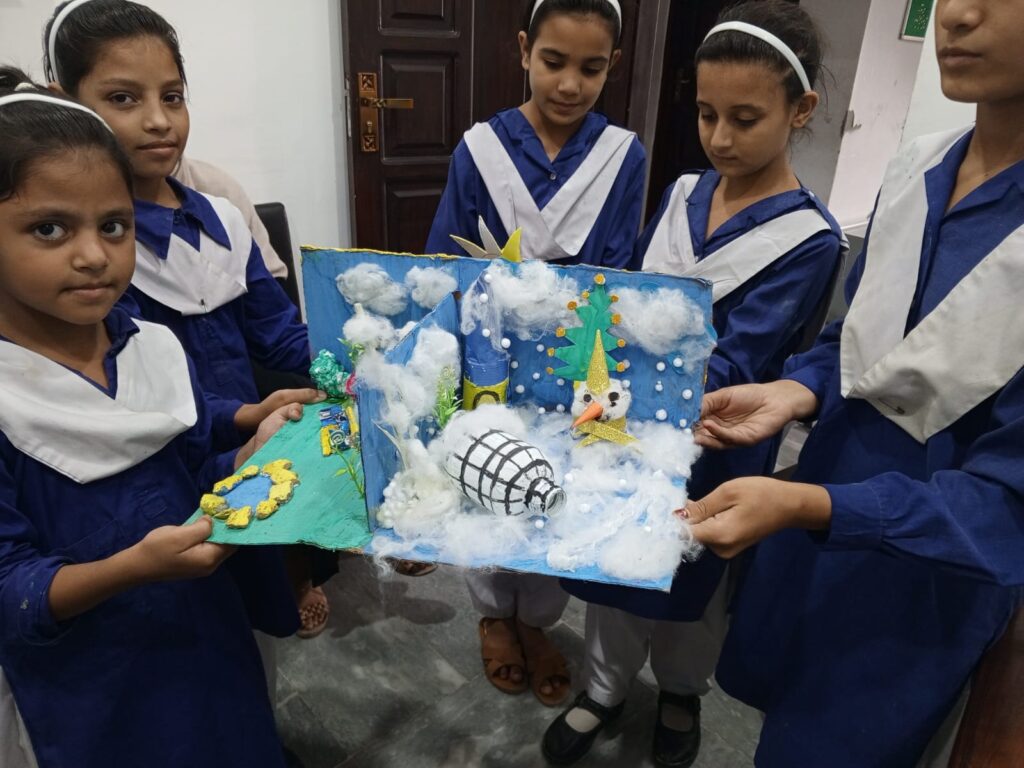
We also introduced STEM education. The imported charity container contained more than 10,000 experiments and STEM-related materials. We used these tools to make learning practical and engaging. The children became highly interested in experimentation and technology. Over the three years, we also developed their IT skills. Some children learned programming and coding and were able to work with HTML. Their English also improved considerably.
Education for us was therefore not simply about reading and writing. It was about changing behaviour, confidence, aspirations and the way children understood themselves. Some changes were very basic but extremely important. At the beginning, some children would eat with both hands. We taught them how to sit, how to use a spoon and glass, how to eat appropriately and how to conduct themselves with others. These were not attempts to erase their backgrounds. They were part of helping children acquire confidence, social skills, and dignity.
This is why I believe welfare education must address the whole child rather than simply provide a classroom and textbooks.
Community Resistance, Religious Influence and the Struggle for Trust
One of the greatest challenges we faced was not educational- it was trust. I come from a society where there are many misconceptions about NGOs. People often believe that organizations receiving foreign funding are pursuing hidden agendas or trying to change children’s religious or cultural identities. People would come to us and ask what we were teaching. They wanted to know what courses we were offering and even which Holy Quran we were teaching. I had to explain that we were not running a Madrassah (Islamic educational institute). We were providing basic education so that a child could at least write their name, read their address, use a mobile phone, and develop basic awareness and skills.
We repeatedly told families that we were fulfilling a responsibility that should ultimately belong to parents and society- educating children and giving them a chance to change their lives. Religious leaders had considerable influence in the community. In one instance, an Imam of a mosque approximately one kilometer from our school referred to organizations that claimed to be Islamic and suggested that they might be hiding money behind their institutions. Such statements affected our enrolment. At one point, enrolment declined from more than 200 children because parents became concerned about the source and purpose of our funding. Some families told us that they had their own channels for supporting relatives and communities. Overseas Pakistanis, in particular, explained that they already contributed to their families and religious obligations through established channels.
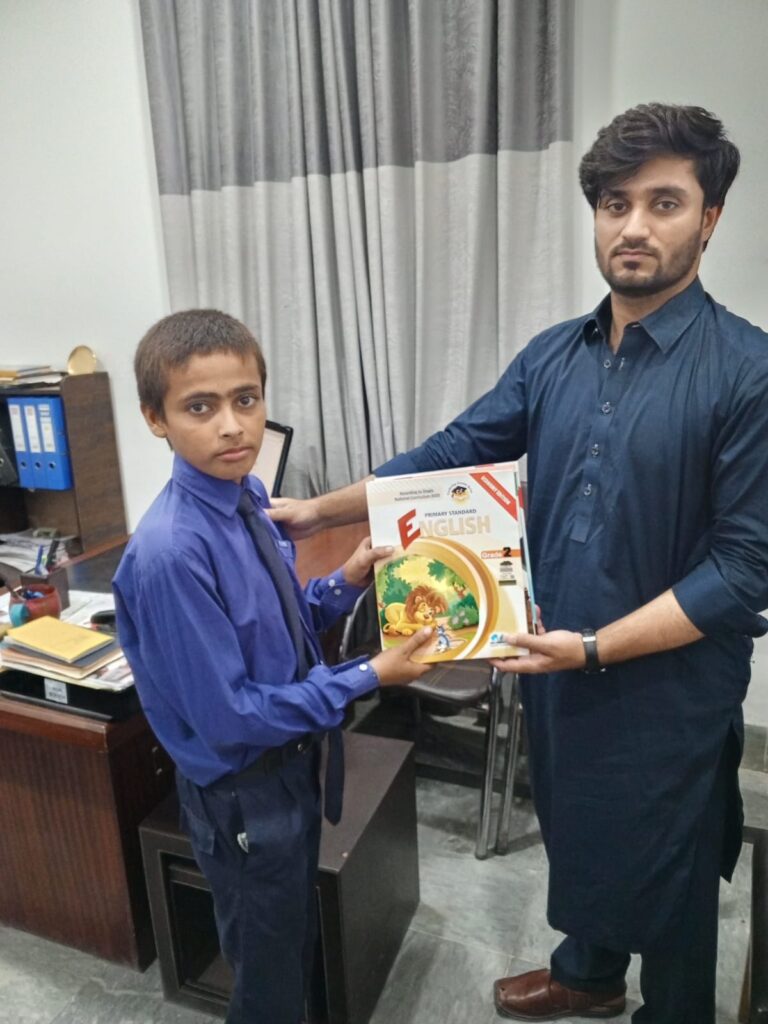
We responded by being transparent. We showed people our audits and financial documentation. We invited religious leaders to our graduation ceremonies and tried to engage them rather than exclude them. We also provided books when they requested them. This experience taught me that welfare organizations cannot work effectively by treating communities as passive beneficiaries. Community trust is an essential component of welfare delivery. In areas where religious leaders have significant social influence, they need to be engaged constructively and transparently.
We also faced deeply troubling attitudes towards the children themselves. Some family and community members would say that these children could not be made “human” and that they would inevitably return to collecting garbage or working on the streets. We refused to accept this narrative. We told staff never to repeat such statements in front of the children. A child should not grow up believing that society has already decided that they are worthless. We continued our work even with children who initially had little interest in education. Through activities, STEM learning, technology and sustained engagement, we were able to change many children’s behaviour and attitudes towards learning.
Inclusion and Protecting Every Child’s Dignity
Our program did not specifically target transgender communities or religious minorities because these groups were outside our primary geographical and program focus. However, we did have approximately 15-20 Afghan children who came to us from a nearby camp. Initially, discrimination against these children occurred within the school. When something broke, for example, some teachers would immediately blame the Afghan children. Staff used derogatory assumptions about them.
We took this very seriously. We strictly prohibited this behaviour and even fined teachers who discriminated against Afghan children. We repeatedly emphasized that they were Afghan, Pakistani or simply children- but above all, they were human beings and had to be treated with dignity and self-respect. This was an important lesson for us. Inclusion cannot simply be written into an organizational policy. It has to be actively enforced in everyday interactions between teachers, staff, and children.
When Good Work Cannot Survive Without Sustainable Financing
Although we achieved approximately 90% of our internal objectives, sustainability became our greatest challenge. Our monthly budget was approximately PKR 500,000–600,000. For three years, overseas donors- particularly overseas Pakistanis- supported the project. However, their circumstances changed, and funding eventually declined. At one stage, teachers went without salaries for two to three months. We approached local donors and tried to sustain the school ourselves, but we could not raise enough money to maintain the required budget.
By the end of 2025, we had to close the project. We handed the school over to another private school, and some of our children continue to study there. However, the teaching techniques and technology-based model we had developed are no longer being implemented in the same way. The closure was painful because the project had demonstrated that these children could learn. More than half of the children who had previously been engaged in street work or child labour had entered formal education. This experience demonstrated something very important to me- a successful welfare intervention can still fail if it does not have a sustainable financing mechanism.
Overseas Pakistanis and international donors played a major role in making our work possible. Many donors used to visit every Ramadan, spend time with the children and support small projects. But political instability, security concerns, and deteriorating international relations reduced their visits and eventually their financial support. When donors told us to find local funding, I approached family, friends and local donors, but the financial requirements of running a school of this scale were simply too high. This is why welfare organizations need diversified and sustainable funding rather than dependence on one donor or one funding stream.
Government Systems Must Facilitate Welfare, Not Make It More Difficult
We repeatedly approached government institutions, including the Social Welfare Department, district administration and political representatives. Unfortunately, we received very little practical support. Registration and reporting processes were cumbersome and heavily dependent on outdated procedures. In my experience, Punjab has moved further towards online systems, whereas the processes we encountered in Khyber Pakhtunkhwa remained much more traditional. Registration, reporting and approvals often involved letters, physical documentation, and delays.
For organizations receiving foreign funding, the process can become particularly difficult. We had to deal with multiple departments, including the Charity Commission and the Economic Affairs Division, and deal with requirements relating to banking and foreign funding. One of the most difficult experiences involved a charity container that we imported from the UK. We wanted to use the contents for flood relief and to provide hygienic food, supplements and nutrition for children. The container was subjected to a tax demand of approximately PKR 4 million. We travelled to Karachi and met officials at Customs and the FBR to resolve the issue. Eventually, the tax was reduced, but the container remained held for more than a year. By the time it was released, much of the food had expired.
This was particularly frustrating because the materials had been imported specifically for people affected by the floods. Instead of reaching beneficiaries during an emergency, valuable resources were lost because of administrative delays. There were also situations in which officials asked for unofficial payments. At the same time, I want to acknowledge that there were also good officers who helped us. The problem was that the institutional system did not provide the level of support that welfare organizations required. Pakistan needs to modernize these systems. Emergency welfare supplies should not remain trapped in bureaucratic processes until they become unusable.
Accountability Is Essential- but So Is an Effective Regulatory System
We took accountability and transparency seriously. We maintained daily records of expenditure, kept bills and invoices, and had our accounts audited annually. Relevant government officials also conducted audits. We hired an accountant on a consultancy basis to help prepare our financial reports. Our audits were good, but financial sustainability remained a problem. At the same time, welfare organizations face genuine risks of corruption, misuse of funds and political interference. We ourselves caught staff members involved in wrongdoing. We took action by dismissing them and introduced security cameras to strengthen internal controls.
Political interference was another challenge. We had clear eligibility criteria- we wanted to enroll street children, orphans, and children genuinely unable to access education. Yet political leaders would sometimes recommend children who did not meet these criteria. When we investigated, we sometimes found that the recommended child was from a relatively privileged family or even the child of a government officer and could already afford private schooling. Refusing these recommendations could create problems with influential people. This demonstrates why welfare organizations need both accountability and independence. Organizations should be transparent about their finances, but they must also have the institutional protection to apply their eligibility criteria fairly.
Pakistan Needs an Independent Welfare and NGO Commission
In my experience, Pakistan urgently needs a stronger and more coherent institutional framework for NGOs and welfare organizations. NGOs currently operate under different legal arrangements, including the 1961 Social Welfare Registration and Control Ordinance, the 1860 Societies Act, and registration mechanisms involving the Securities and Exchange Commission. These frameworks do not adequately reflect the scale, diversity, or complexity of modern welfare organizations.
There is also insufficient institutional support for NGOs. Government departments do not have enough staff or resources to monitor organizations effectively, while organizations themselves lack strong formal platforms through which they can communicate, collaborate and advocate. I believe Pakistan should establish an independent body or commission for NGOs and welfare institutions. This body should oversee registration, funding, projects, reporting and accountability. The Social Welfare Department alone cannot perform all these functions because it lacks sufficient resources and personnel. An independent body could create a better balance- it could make it easier for legitimate organizations to operate while simultaneously strengthening oversight of organizations that misuse funds.
The purpose should not be to control NGOs unnecessarily. It should be to create a system in which legitimate welfare organizations can work efficiently and the public can trust them. Where there are weaknesses in the system, people who want to misuse NGOs for financial or political purposes can take advantage of those weaknesses. Stronger regulation, professional staffing, and independent oversight can reduce this risk.
The State Cannot Outsource Responsibility for Millions of Children
One of the biggest lessons from our experience is that NGOs cannot solve Pakistan’s welfare problems alone. The number of children out of school is enormous. Even hundreds of NGOs could not educate millions of children by themselves. The responsibility for ensuring universal access to education ultimately belongs to the state.
Government must establish appropriate schemes and schools for out-of-school children and develop mechanisms that allow credible NGOs to complement public provision. NGOs can demonstrate innovative models, reach marginalized communities, and experiment with new approaches. But they cannot replace the state. The government therefore needs to move from seeing NGOs simply as organizations that require regulation to recognizing them as potential partners in achieving social policy goals.
This requires a proper framework for public-private and government-civil society partnerships, transparent financing, clear accountability and mechanisms for scaling successful interventions.
From Education to Rehabilitation: My New Focus on Youth
After the closure of the school, I started another initiative called Barosa a rehabilitation center focusing particularly on drug addiction and psychological problems. In Khyber Pakhtunkhwa, drug addiction has become a serious concern. We work with people affected by substances including cannabis, heroin, opioids and benzodiazepines, and we also provide support for people living with HIV/AIDS and associated psychological problems.
My focus is particularly on young people because I believe our youth are the capital of this country. We need to rehabilitate young people, help them return to society, enable them to support their families and allow them to contribute positively to their communities. Government agencies should take this issue seriously and establish specialized mechanisms for overseeing rehabilitation and NGO-based services. This is an area where professionalization is urgently required because too many organizations and non-professionals are operating without adequate expertise. My experience in education has convinced me that welfare interventions must be professionally managed if they are to be effective and sustainable.
From Welfare Dependence to Social Entrepreneurship
Looking towards the future, I am increasingly interested in social entrepreneurship.A person cannot necessarily spend their entire life doing voluntary social work without earning an income. People have families, careers and responsibilities. They need sustainable livelihoods.This is where social entrepreneurship can offer a different model.A business can generate profit while simultaneously producing measurable social impact. For example, if someone operates a school for 200 children, perhaps 20 places could be reserved for orphans or children whose families cannot afford education. Similarly, an agricultural or food business can incorporate a social welfare component into its model.
The idea is to create businesses that are financially sustainable while also benefiting communities. I believe Pakistan needs much more of this approach. Social entrepreneurship can benefit the individual entrepreneur and the wider community at the same time. I am therefore planning to promote social entrepreneurship in universities and colleges. I want to introduce courses that teach students how to establish businesses that generate income while addressing social problems.
We can also identify and highlight existing businesses that are already contributing to social issues and invite entrepreneurs to share their experiences with students. This is the direction I want to take my work- moving from a model in which welfare depends entirely on donations towards models that combine entrepreneurship, sustainability and measurable social impact.
A Call for Better Policy, Professionalism and Partnership
My experience has convinced me that Pakistan is lagging behind in welfare policy. Policy-making needs to become more professional and less dependent on changing political priorities. We need an independent law and an independent body responsible for NGO and welfare management. We need experienced professionals in the right positions, rather than appointments that create further administrative delays. At the same time, regulation must not become another barrier for legitimate organizations. The goal should be to create a system that makes good welfare work easier while making corruption and misuse more difficult.
The government, NGOs, charities, communities, religious leaders, donors and social entrepreneurs all have a role to play. But their roles need to be clearly defined, coordinated and supported by appropriate institutions. I am also a member of the Prime Minister’s National Youth Council, where we are working on the National Youth and Adolescence Policy and providing suggestions about what should be included in youth policy. I want to continue contributing to policy discussions around young people and their future.
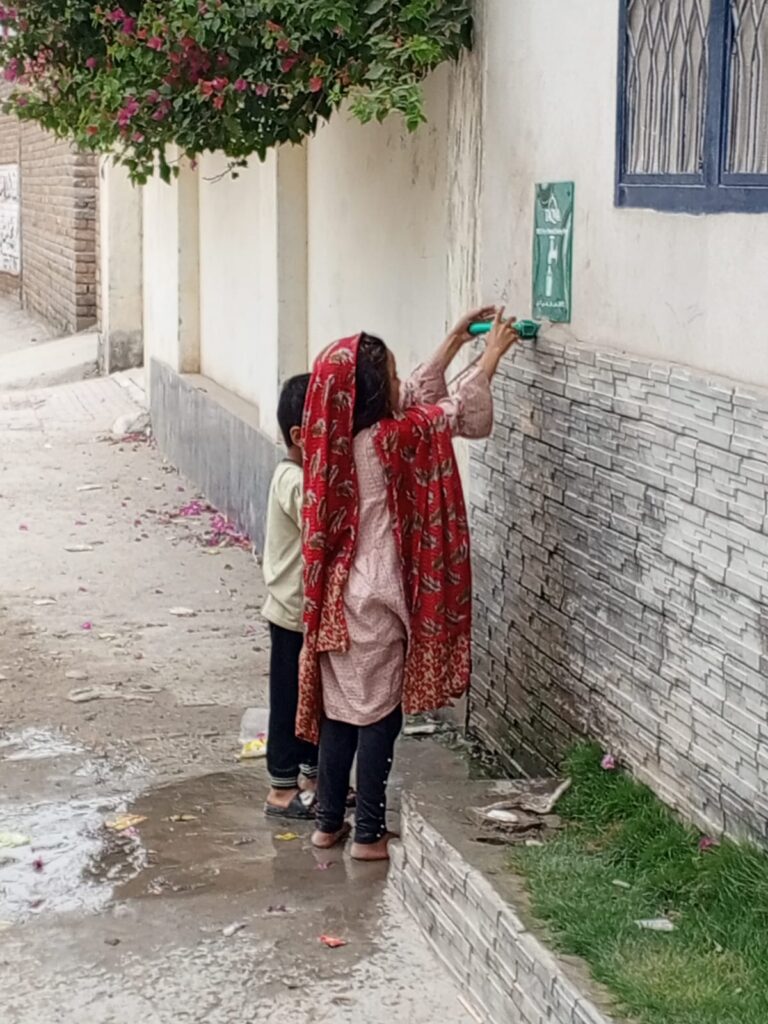
Through the Barosa Foundation, I also hope to work in the future on clean drinking water and other areas of social welfare. Ultimately, I want my work to contribute to a society where welfare is not treated simply as charity. It should be viewed as a social investment, a responsibility and a pathway towards human development. My own journey has taught me that welfare work requires courage, community trust, professional management, sustainable financing and supportive public institutions. Most importantly, it requires refusing to accept that a child is destined to remain poor, uneducated or on the streets simply because of the circumstances into which they were born. We can change those circumstances. We have already seen it happen.