Welfare without Walls- The Informal Path
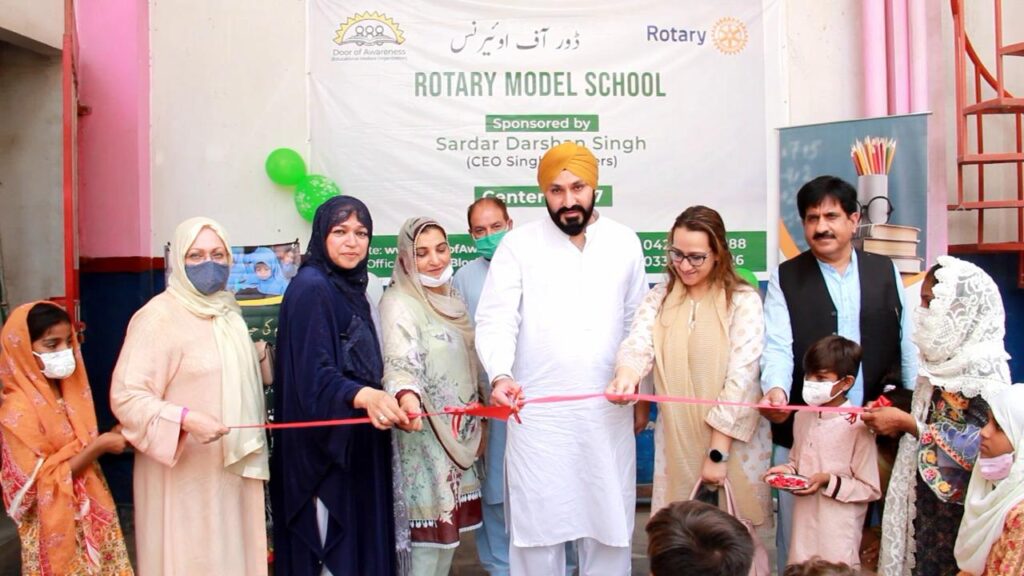
My name is Sardar Darshan Singh, and I am a businessman by profession. My family roots are in Khyber Pakhtunkhwa, where my grandfather established a Gurdwara and a school that educated thousands of children. Service has always been part of our family tradition. Growing up in that environment taught me that welfare is not something separate from life- it is an inherent responsibility which we have to prioritize in our daily activities.
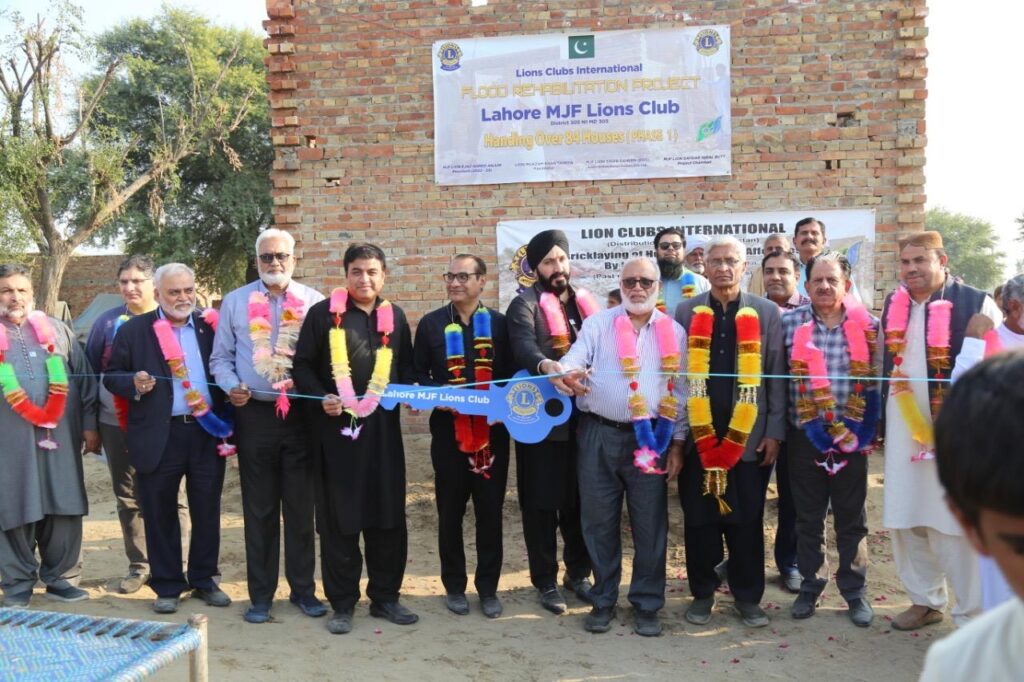
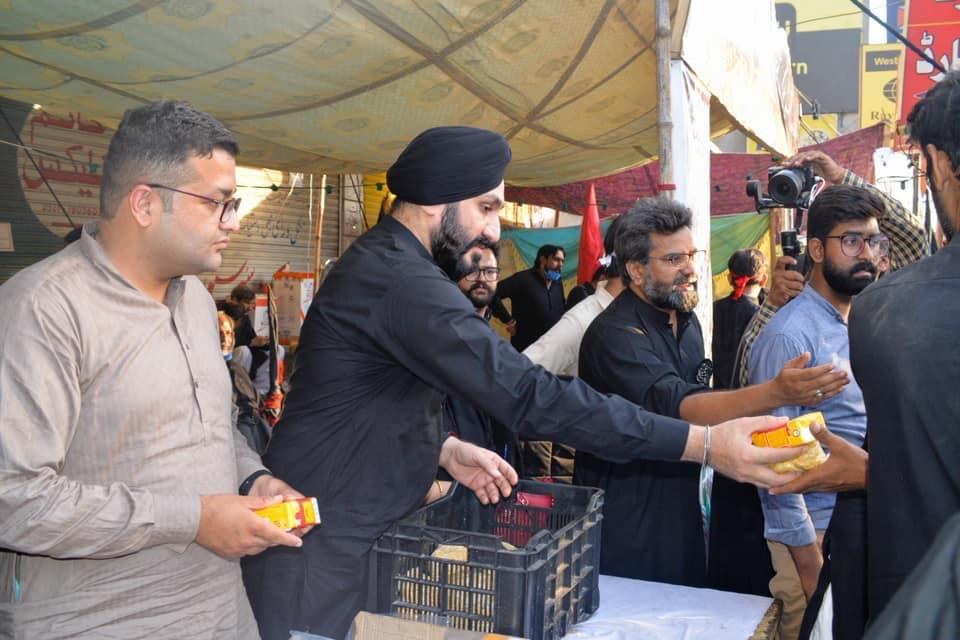
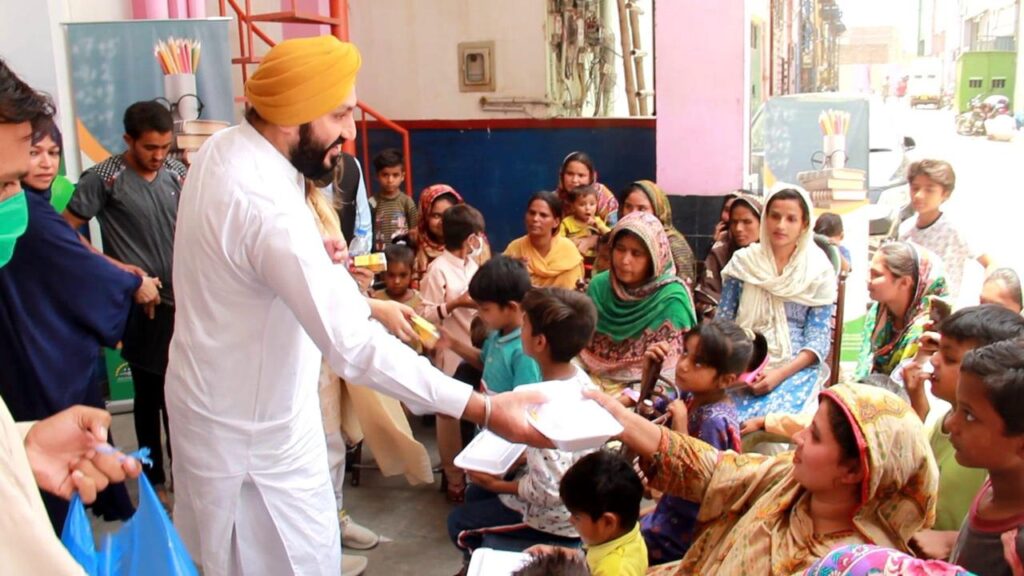
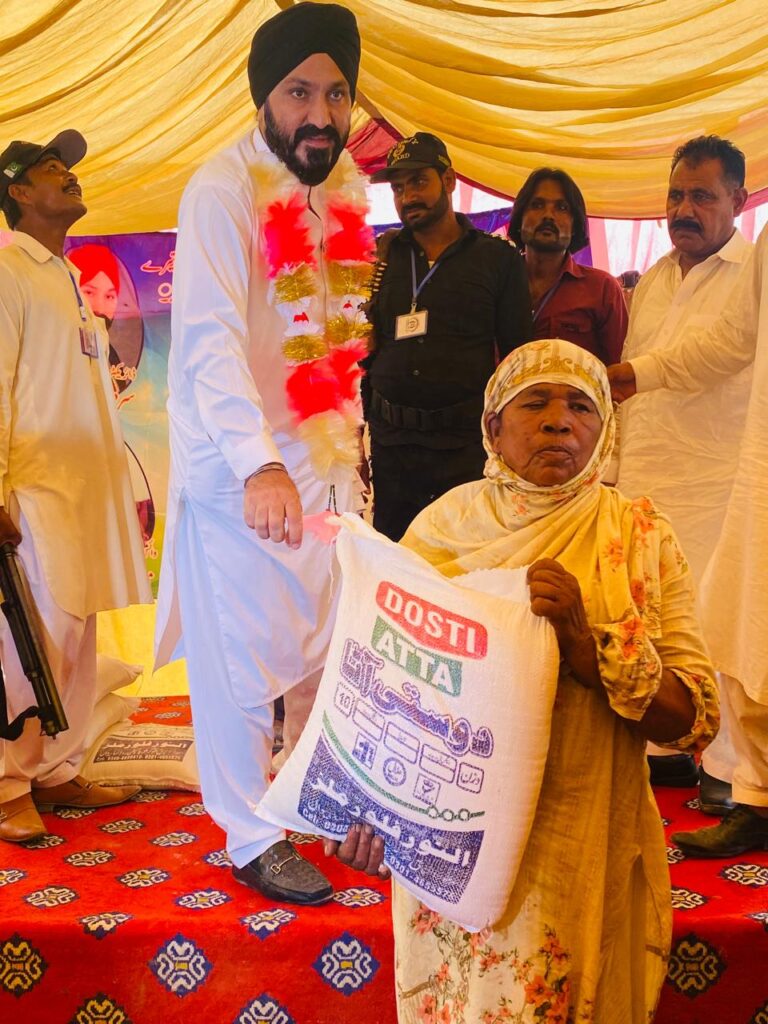
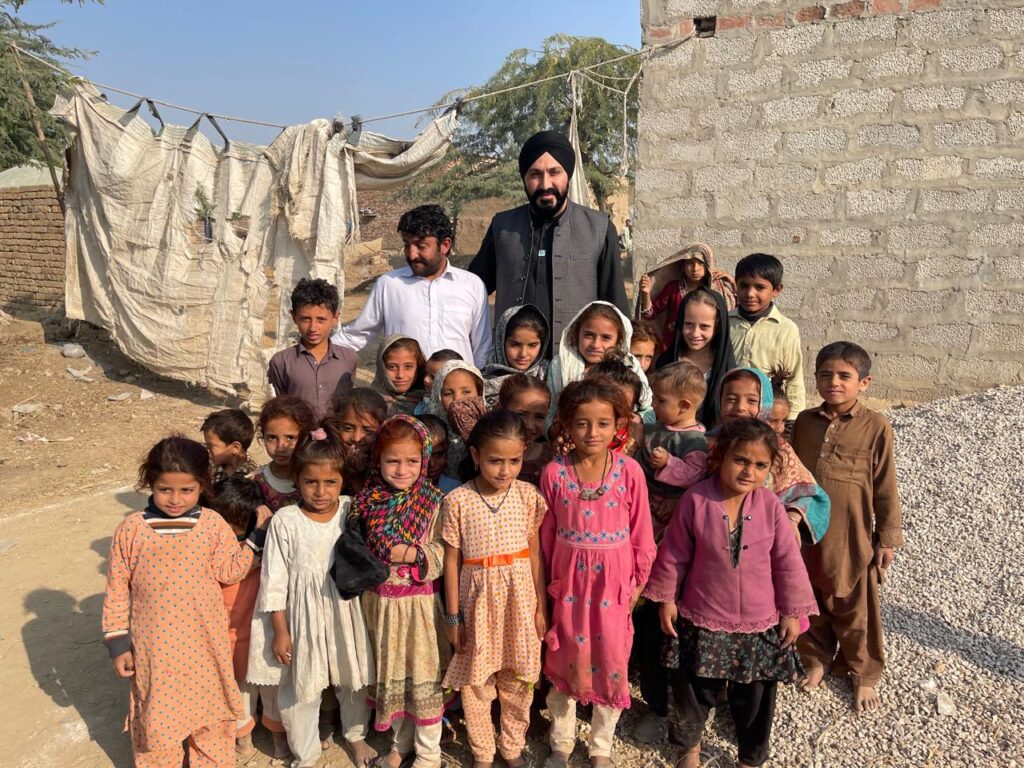
Today, I continue that tradition, but in my own way. I do not run a formal NGO, nor do I collect donations from others. I use my own income from my business profits to support people directly. You may call my welfare- open welfare without walls, that addresses needs as and when they arise- whether it is arranging marriages for vulnerable girls, providing daily meals to the underprivileged, paying for medicines for those not covered by the public sector, supporting education and skill development, or helping families during emergencies- I do what I can, quietly and independently.
I deliberately chose this informal welfare model because it protects both trust and accountability. In many formal institutions, a large part of charity is consumed by salaries, administration, and overheads before it ever reaches the poor. Sometimes donations are also misused. I have personally been asked to take commissions from charity collections, and I refused. Charity, for me, is sacred. If the intention is pure, the process must also remain pure.
This model may be smaller, but it is cleaner, faster, more transparent, and very effective!
The Crisis of Trust in Welfare Systems
One of the biggest challenges for Pakistan regarding welfare today is verification. Many people come asking for help, but not all claims are genuine. Poverty is real, but so is exploitation of generosity.
That is why I have developed my own informal system of verification. Before helping with major needs like marriages, charitable transfers, or short or long-term support, I confirm that the beneficiary is genuine through neighbors, shopkeepers, and community contacts. This takes time, maybe 3-4 days, but it prevents misuse and is worth the effort.
This is where many institutions fail. They often operate far from the ground realities and cannot properly verify who is deserving. Worse, some organizations raise money in the name of vulnerable communities but spend it on themselves. I have seen cases where people collect funds for special needs children, yet cannot show records of who was helped. That weakens public trust in welfare institutes and welfare leaders.
Pakistan needs stronger accountability systems for charitable organizations. There should be public audits, transparent beneficiary records, and stricter regulation of fundraising. Informal welfare networks can complement this by offering community-based verification, because local people often know who is genuinely struggling.
In my view, welfare should not only be about collecting money; it should be about protecting trust.
Minimizing Welfare Needs through Economic Empowerment
Giving food or money is necessary in emergencies, but long-term welfare must go beyond relief. My belief is simple- if someone can work, we should help them work.
I have seen families who survive by selling household items because they have no stable income. In such cases, instead of making them dependent on monthly charity, I try to support them with ration first and then help connect them to employment or small business opportunities. This is where Pakistan needs a policy shift- from charity-based welfare to empowerment-based welfare.
If I had the chance to shape social welfare policy in Pakistan, my priorities, based on my years of experience, would be the following 5 areas:
- Ensuring Minimum Wages and Living Standards- Minimum wages must reflect real
household costs. Survival on low wages is impossible for people today in Pakistan, and we
are asking people to compromise their life quality, which makes them unhappy citizens. - Affordable utilities- Electricity, gas, and internet are basic needs, especially for low-income
families and we must ensure equal access at affordable costs, with tax reductions/ removal. - Skills and employment pathways- Welfare programs should connect beneficiaries to work
within a fixed time frame. For example, financial assistance should be time-bound to no more
than three months, during which beneficiaries should be connected to employment
opportunities to ensure long-term self-sufficiency. - Targeting the invisible poor- Many families suffer silently and never beg. Policy must
identify and support them. I always make an effort to look for Sufaid posh (individuals from
the lower-middle or working class who face financial hardship but maintain a dignified
silence and do not ask for help) and target to help them. - Community welfare coordination- Government and grassroots workers should work together
to reduce duplication and improve outreach.
The goal should not be to keep people dependent- it should be to help them stand on their own feet.
Civic Responsibility with Dual Efforts of Family and Community
Welfare is not only about money. It is also about how we behave as a society.
One of the biggest problems in Pakistan is a lack of civic discipline and public awareness. People gather around accidents but often do not help. Traffic laws are ignored. Rules are followed abroad, but forgotten as soon as we return to our own country. This reflects a larger social problem- we lack basic ethics and collective responsibility.
I believe welfare policy must include civic education. Schools, colleges, and media should actively teach public responsibility, traffic laws, and community ethics. Awareness is prevention. Many social harms can be reduced if people are educated about their responsibilities toward each other.
For me, real welfare is a combination of compassion, honesty, and action. Institutions are important, but they must be transparent. Communities are powerful, but they must be organized. Families are the first welfare system, and society is the second. If we strengthen both, Pakistan can build a welfare model that is not only generous, but just and comprehensive. This will allow our country to rise, because without adequate welfare measures, the people will remain weak and unable to contribute to social or economic development.