The origins of SDSM and the principle of low-cost welfare interventions
Ten years ago, I founded Safe Delivery Safe Mother (SDSM) after returning to Pakistan from the United States, where I had been working with the Clinton Foundation. My earlier experience also included work with the World Bank and McKinsey in the Gulf, which exposed me to development and health systems at a broader level. On returning to Pakistan, I began examining the public health sector more closely, particularly maternal and newborn health, and was struck by the scale of preventable maternal mortality and poor health outcomes for women. That realization became the starting point of SDSM.
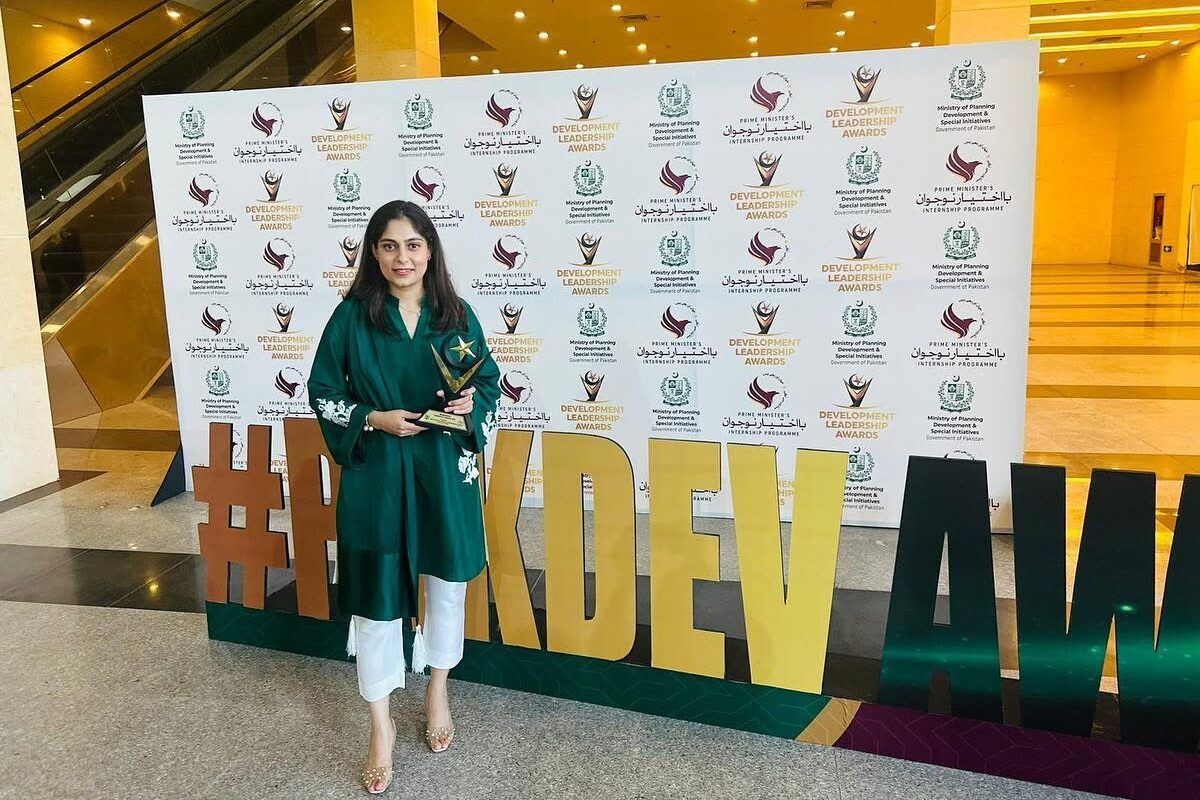
The initiative began not as a formal organization but as a passion-driven initiative to understand where meaningful contribution could be made in maternal, newborn, and child health. During this period, I applied for a maternal health grant competition launched by D-Prize in San Francisco which supports promising poverty solutions. I designed an intervention focused on Postpartum Haemorrhage (PPH), one of the leading causes of maternal mortality in Pakistan and globally. My proposed low-cost solution for PPH prevention won the global competition and received a $ 8,000 award in 2016, which served as an early validation point and helped shape the direction of my work.
Today, SDSM works closely with provincial governments and public sector health systems, focusing on strengthening frontline maternal healthcare delivery rather than building parallel systems. A large part of this work involves equipping frontline health workers to provide quality maternal health services and strengthen essential care in high-risk and climate vulnerable communities. For example, in a postpartum family planning project supported by Johns Hopkins, we worked across 165 health facilities in Multan district and trained approximately 170 healthcare staff across primary, secondary, and tertiary levels of care.
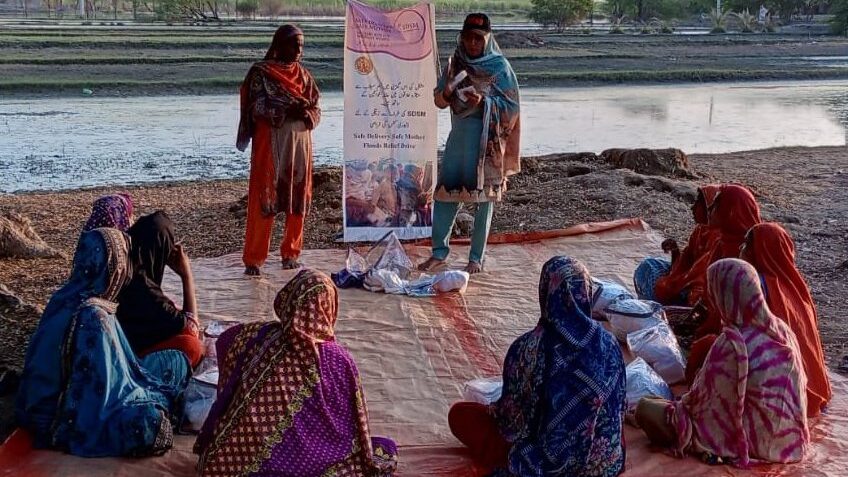
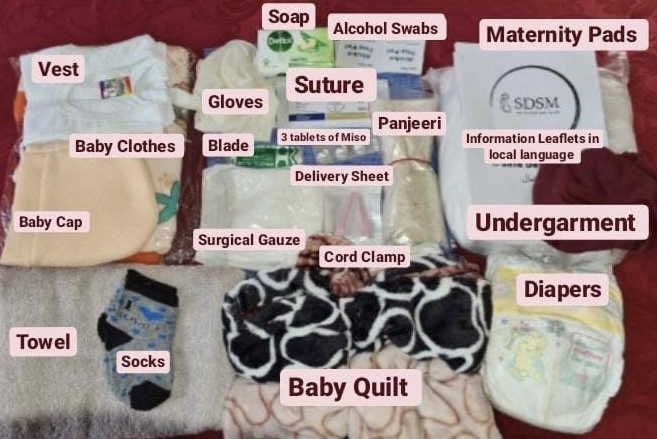
Over time, this work also evolved into practical, low-cost innovations; which should be our collective main welfare goal for Pakistan- to launch low-cost initiatives that can be upscaled easily. After Pakistan’s devastating floods in 2022 and 2025, which displaced over 780,000 pregnant women, I designed a birthing kit costing $7 comprising of essential delivery supplies and basic nutritional support for mothers to enable safe childbirth where health facilities were damaged or non-functional. Initially a small-scale initiative, it expanded through partnerships
with NGOs, universities, hospitals, and community networks across all four provinces, with over 6,000 birthing kits and medical camps held in over 25 high-priority districts, particularly in underserved and remote flood-affected areas.
Expansion into other Welfare Areas
A central feature of our approach has been data-driven implementation. We developed a tracker tool combining quantitative and qualitative indicators to assess training outcomes and service delivery improvements. Because without monitoring and accountability of delivered interventions, we will not be able to design modification. However, one of the persistent challenges in this sector is the lack of structured and accessible data. Many organizations still rely on basic reporting systems, which limits the ability to evaluate long-term impact or
understand whether interventions are meaningfully improving welfare outcomes. There is a need to develop an open-source centralized data hub with all organizations contributing data and evidence on maternal and reproductive health.
At the same time, my work has expanded beyond maternal health into overall women’s health and climate resilience. This shift emerged from my repeated engagement in disaster-affected and climate-vulnerable regions, where it became clear that maternal health cannot be separated from broader structural conditions such as housing, nutrition, food security, and environmental stability. As a result, my work increasingly reflects an integrated welfare approach that links health systems with climate and development challenges. And this is what Pakistan and other countries need to recognize- that standalone maternal health interventions cannot holistically
support women’s health, and similarly, comprehensive welfare interventions will positively impact maternal health outcomes.
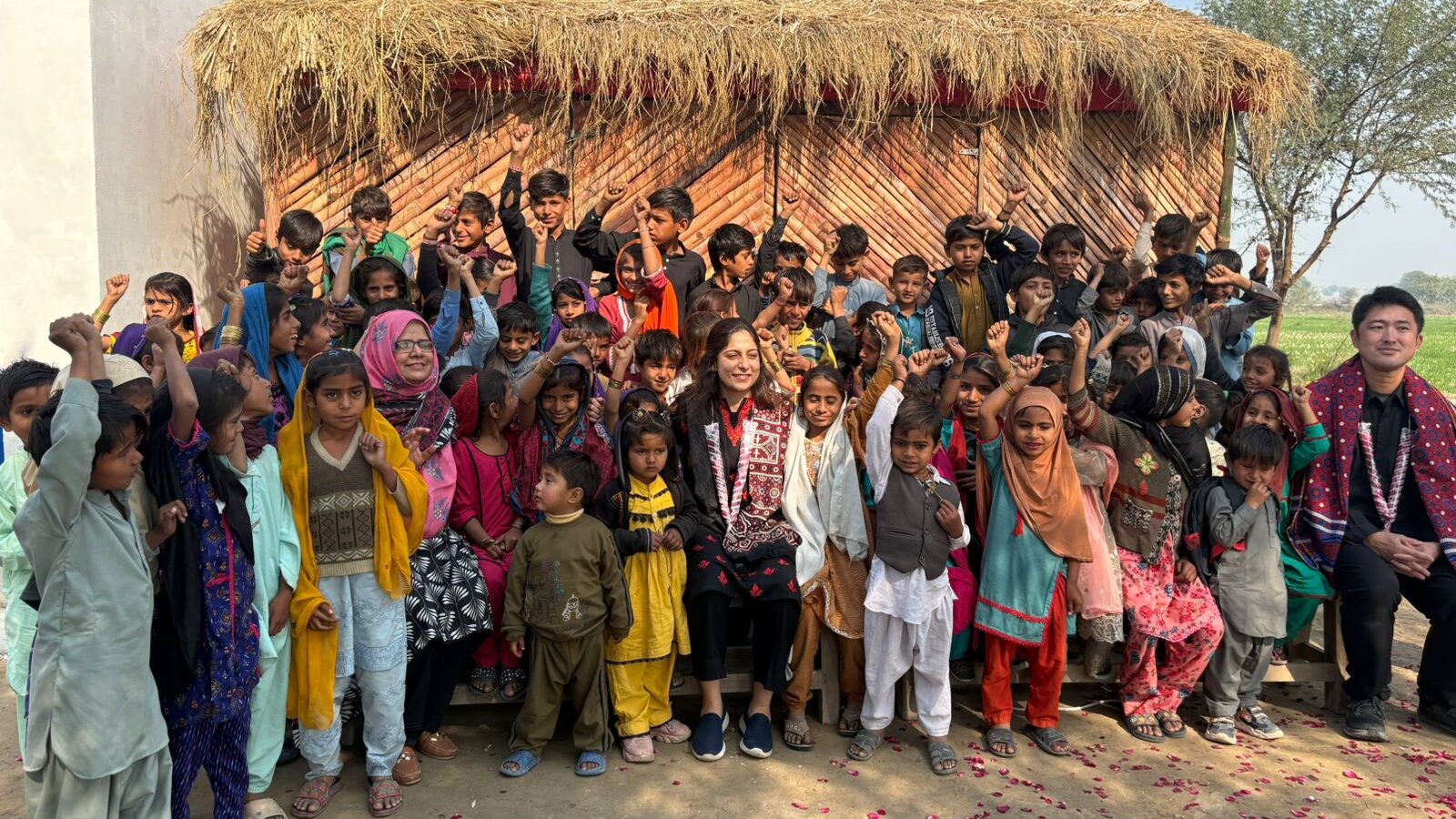
This is why over time my work has extended into disaster response and climate-linked development, including collaboration on sustainable housing models using paper tube structures and integrated solutions involving solar energy and water systems. While maternal and women’s health remains the core focus, these areas are increasingly interconnected, as welfare outcomes are shaped by climate, infrastructure, and living conditions.
Policy Priorities and a Systems Perspective on Welfare
Despite a lot of progress in Pakistan in the last ten years, significant structural barriers remain, including administrative constraints for NGOs, limited and inconsistent funding, fragmented data systems, and weak coordination between policymakers and frontline practitioners. These gaps continue to affect the scalability and sustainability of welfare interventions in the health sector.
If given the opportunity to lead national maternal and child health policy, my focus would be on scaling low-cost, high-impact interventions such as midwifery and frontline health worker training, pregnancy surveillance, Postpartum Haemorrhage and infection management, and building community-based delivery systems rooted in local realities. Equally important would be bridging the gap between policymakers and practitioners and investing in robust data systems that enable evidence-based decision-making.
What sustains this work, and welfare leaders like myself, is the recognition that even small interventions can have meaningful impact. The environment is complex and progress is often incremental, but there are moments that reaffirm the importance of continuing. Working in Pakistan has reinforced the idea that complexity is not a reason to disengage from welfare work, but a reason to deepen commitment.
At its core, my work reflects a systems perspective on welfare, where maternal health is not an isolated issue but part of a broader ecosystem shaped by social, environmental, and institutional factors. The goal remains to strengthen these systems in ways that improve dignity, safety, and survival for women and children in the most vulnerable communities.
Website: https://safedeliverysafemother.com/