The Vision Behind The Tinkers’ Collective and its Community-Led Model of Social Impact
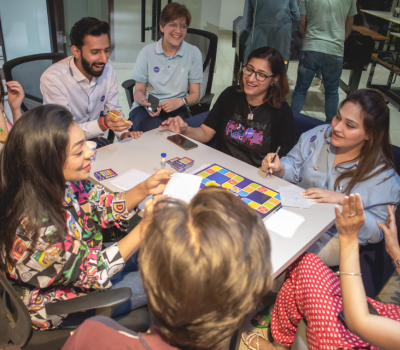
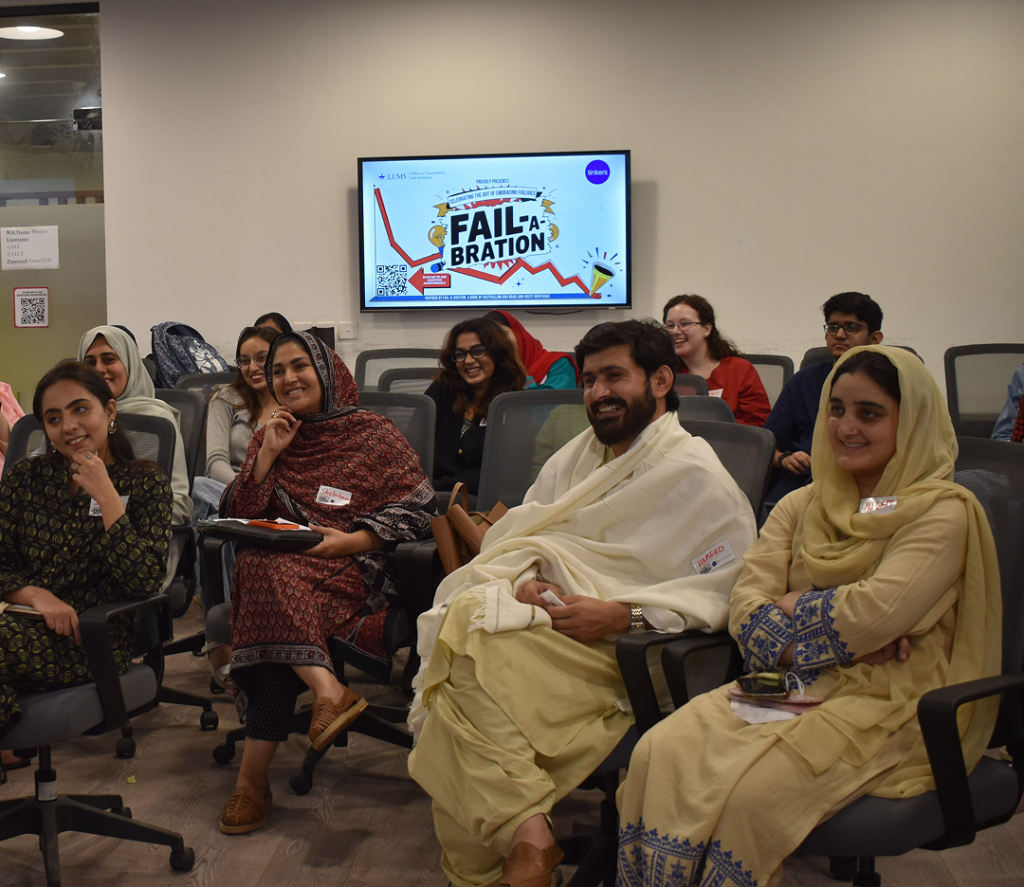
The Tinkers’ Collective was founded on a simple but powerful belief- people flourish when they have a place where they truly belong. In a world where home, work, and educational institutions often come with expectations and pressures, we set out to create a fourth space – away from home, work and public spaces – a safe, inclusive curated space where people could find support, solace, friendship, and opportunities for holistic wellbeing. Through art, recreation, communication, experiential learning, entertainment, and shared experiences, we wanted to build a community where people could simply be themselves while growing into better versions of themselves.
From the beginning, we intentionally adopted an entrepreneurship-for-impact (social enterprise) model. Rather than depending on grants or donations (which wasn’t our expertise), we built financially sustainable community experiences, corporate wellbeing and teambuilding programs, creative workshops, membership programs, and independent projects, that allow us to continuously reinvest into social impact. We believe that sustainable impact requires sustainable (and very lean) organizations.
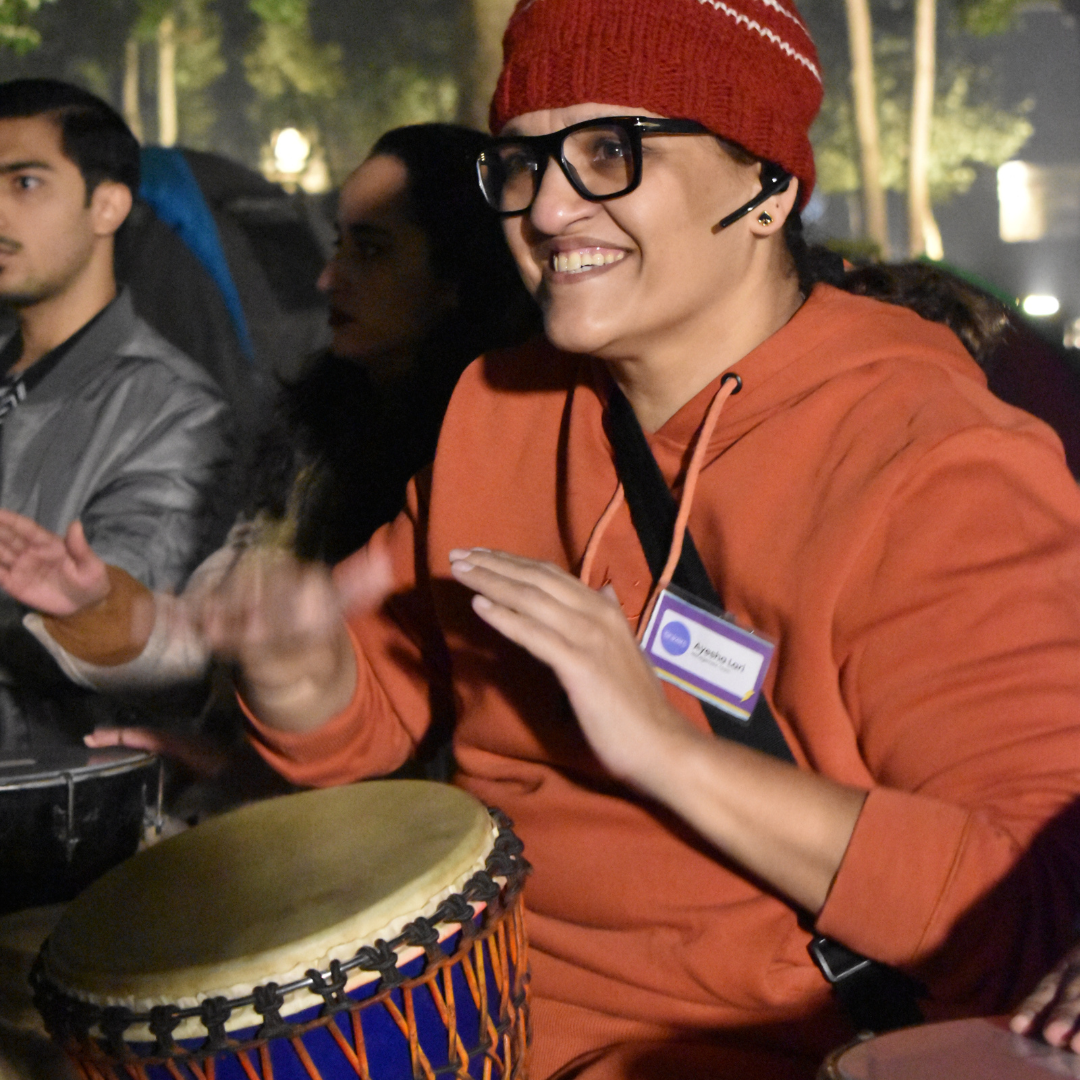
What began as a small gathering has today grown into a community of over 5,000 members, 10+ corporate and institutional partners, with a digital community of almost 20,000 followers, where the community itself has become our greatest strength. One of the most beautiful aspects of this journey is that The Tinkers’ Collective no longer belongs only to its founders – it belongs to its members. Our community has taken on a life of its own. Members actively welcome newcomers, mentor one another, volunteer countless hours, raise funds for those facing medical or financial crises, celebrate each other’s successes, and show up during life’s most difficult moments without being asked. This culture of ownership has allowed us to expand our impact beyond community and corporate L&D alone.
Stewarding Aangun ECE and our sister organization- Spreading Smiles
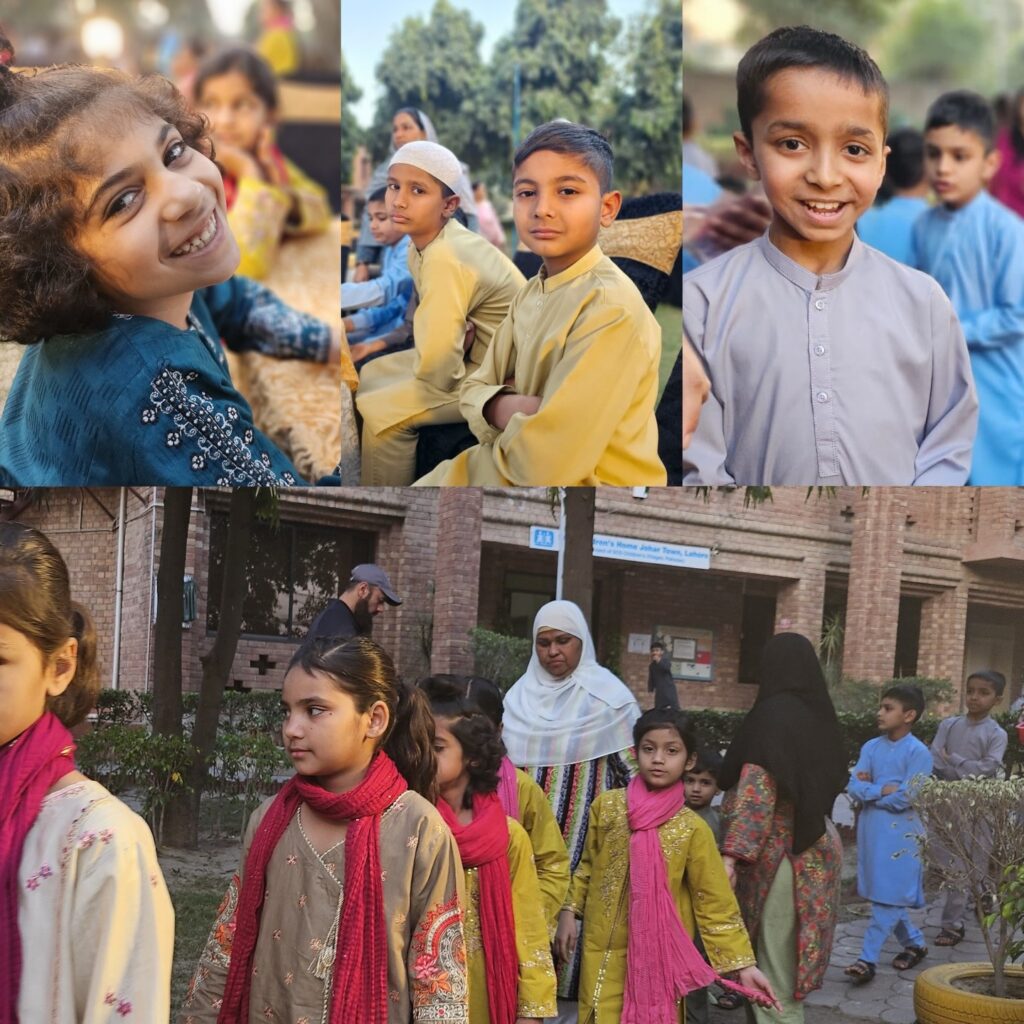
Recently, we took over the stewardship of Aangun Centre for Learning and Culture, a space that was previously managed by The Little Art, and before that, Faiz Ghar. Aangun comes with the mammoth responsibility of managing and financially sustaining Aangun ECE, a free early childhood education centre, serving approximately 60 working-class children from in and around Model Town, Lahore. We see this not as acquiring a space or project, but as becoming custodians of a beautiful legacy while bringing our expertise in experiential learning, volunteer engagement, holistic wellbeing and community-building to strengthen it for future generations.
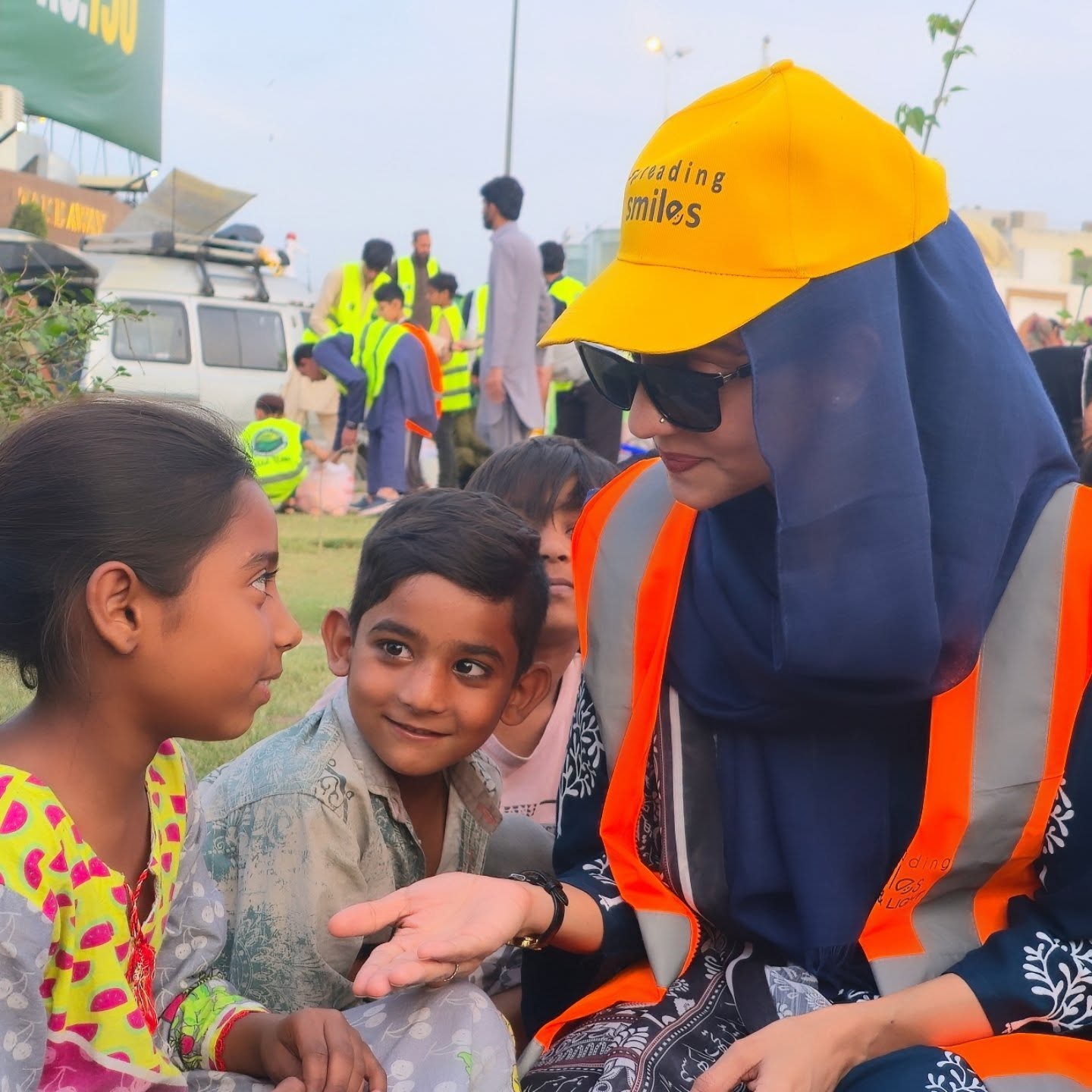
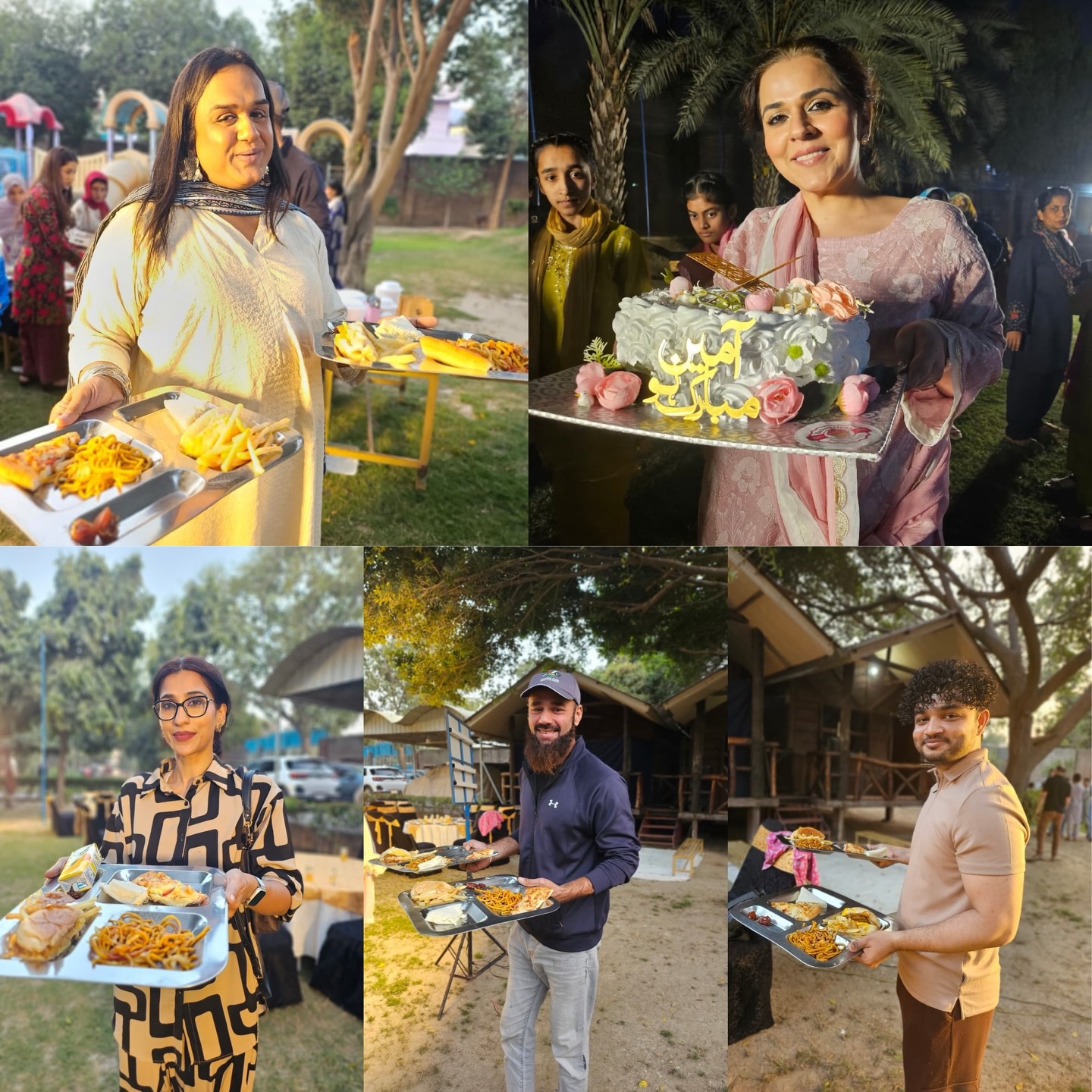
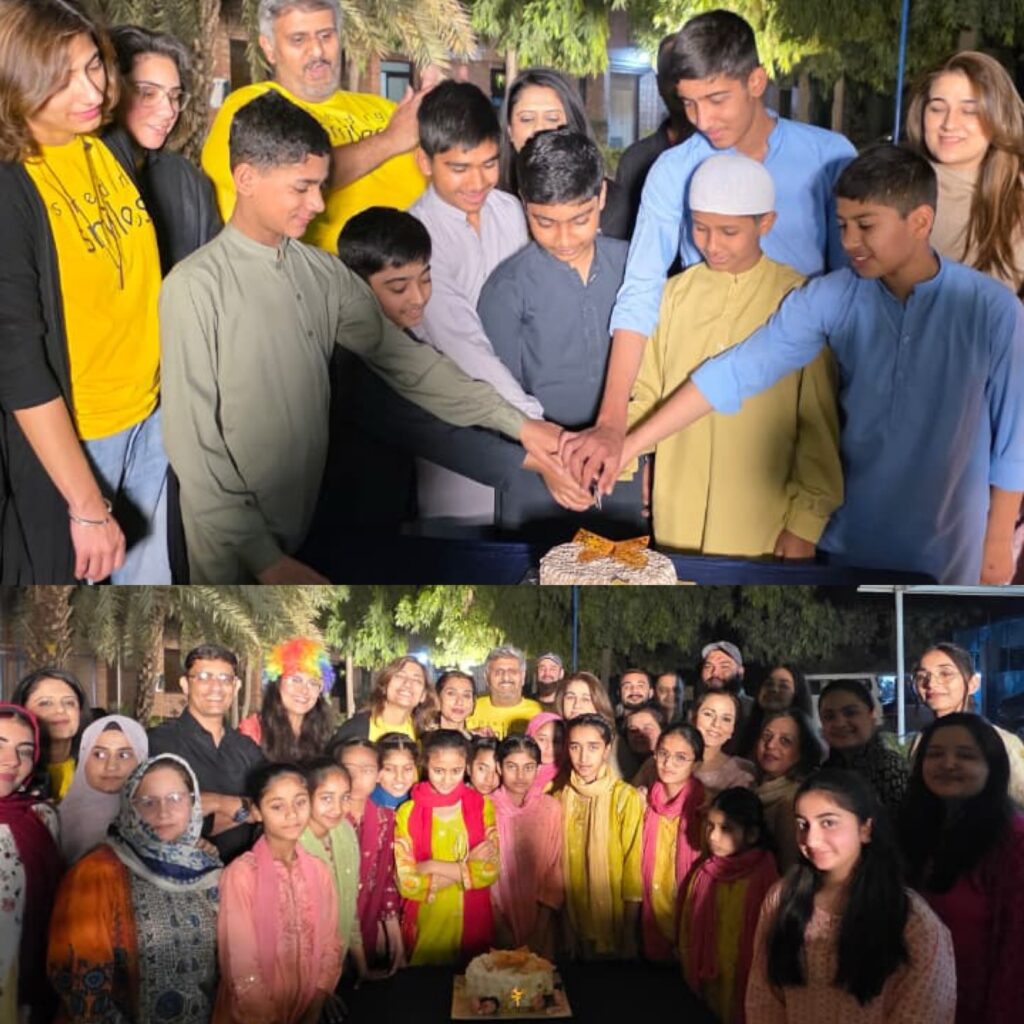
Alongside this, our sister community service initiative, Spreading Smiles, channels our community’s energy into direct service. Every year during Ramadan, we intentionally pause much of our commercial programming so that our team and volunteers can dedicate themselves to large-scale fundraising and community outreach. Together, we organize ration drives, orphanage visits, old-age home visits, community iftars, and dastarkhwaans that serve thousands of people annually.
What makes this work special is that it is never driven by obligation. Rather, it is driven by ownership. Our members don’t simply donate money- they paint walls, organize logistics, carry supplies, facilitate children’s workshops, mentor volunteers, spend entire weekends fundraising, and willingly give their time wherever needed. This same spirit became evident when we began preparing Aangun. Community members voluntarily came together to paint murals, restore classrooms, organize spaces, support our summer camp fundraiser, and contribute their professional skills simply because they believed in the vision.
Today, our goal remains unchanged: to create communities where people learn, heal, serve, and ultimately become the people who uplift others.
My Journey to Founding The Tinkers’ Collective and our Motto
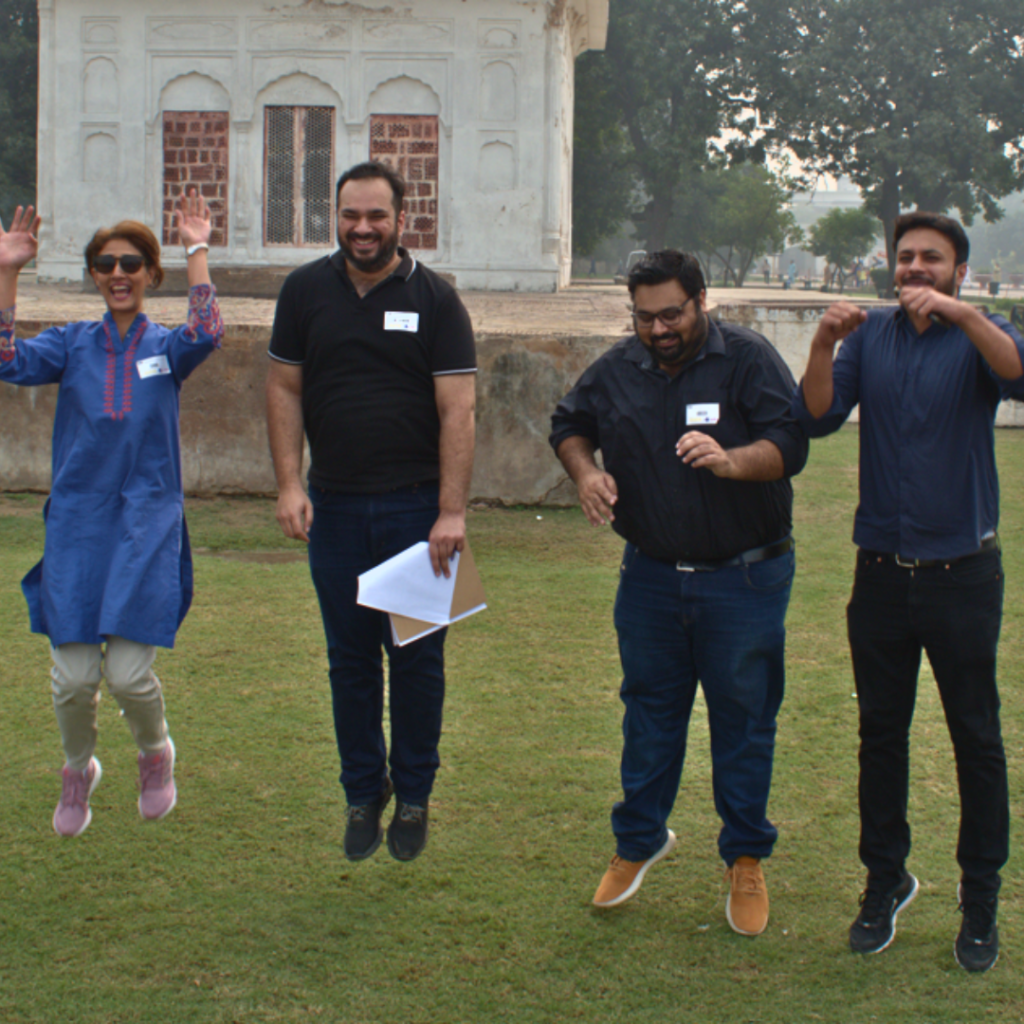
Well, Tinkers was borne out of the debilitating isolation of the pandemic and my own desire to be a catalyst of growth and life for others, possibly rooted in my own life experiences post-graduation of being a headless chicken without a real community or mentorship. During COVID, Tinkers was simply an online platform, promoting young artists, makers and creative entrepreneurs. Once the lockdown was lifted, and we organized our first community meetup at a park, we realized that most of the mental health issues that had cropped up during the lockdown was because people were starved of real human connection, and now with the speed with which technology had replaced most human tasks (like in-person meetings), this social distance was here to stay in some shape or form. Even though Pakistanis are incredibly resilient and strong, after the pandemic, people were hungry for spaces where they feel genuinely accepted, heard, and supported.
I was also cognizant of the fact that usually, education/learning focuses on academic achievement, workplaces focus on productivity and public spaces can become unsafe, exclusive, or transactional. I wanted to create something different- a place where creativity, curiosity, emotional wellbeing, lifelong learning, and authentic relationships could find a conducive environment. My own background is in education, marketing, and entrepreneurship, and my team brings in a wealth of knowledge in psychology, operations, communication and visual and performing arts- and what unites us is a little madness, a belief that we can change lives, that community can lead social impact, and that love is the biggest healing force in nature.
My role extends far beyond designing workshops or managing events. My job is to build partnerships, mentor volunteers, develop facilitators, secure resources, create sustainable business models, support community members, and continuously adapt programs to evolving community needs. Also, over time, we realized that keeping wellbeing within our community doesn’t really cut it. A community truly rooted in love has enough to be able to share generously – our motto ‘pyaar baantne se barhta hai’-serving together, will in return amplify community wellbeing.
This philosophy naturally evolved into our collaboration with Spreading Smiles, where our community puts compassion into action, and more recently into our stewardship of Aangun, where we now have the privilege of supporting children from working-class families through quality early childhood education. Perhaps our greatest motivation is witnessing (extra)ordinary people discover that they have the capacity to change someone else’s life. Those moments remind us that community is not something that is built for people – it is built with them.
Challenges in Building Sustainable Community Impact
Building a sustainable community-centered organization comes with a unique set of challenges. At a general level, rising inflation and rapidly increasing operational costs continue to place pressure on our programs, while volunteer burnout, retaining skilled talent, regulatory requirements for emerging nonprofits and social enterprises, and balancing financial sustainability with accessible programming remain ongoing concerns.
Within our development initiatives, limited long-term funding restricts both the accessibility and scope of community projects. This is particularly evident in our efforts to expand quality early childhood education through Aangun ECE, where working-class families continue to face significant barriers to access. In our corporate and community wellbeing programs, we also encounter the persistent perception that arts, creativity, recreation, and social-emotional learning are luxuries rather than essential components of human development. Differences in educational backgrounds, exposure, and value systems across socioeconomic groups can make community-building more complex, while measuring long-term behavioral and emotional outcomes at scale remains challenging. We also believe there is considerable scope for greater collaboration, rather than competition, among organizations working towards similar social goals.
Although our social enterprise model reduces dependence on charitable funding by reinvesting revenue from workshops, corporate wellbeing programs, memberships, camps, and educational experiences into community initiatives, meaningful social impact can never be achieved in isolation. Our work depends on strong partnerships with government institutions, educational organizations, corporate partners, philanthropists, volunteers, community leaders, civil society organizations, families, and other community initiatives. Greater impact could be achieved through simplified nonprofit registration and compliance processes, stronger recognition of social enterprises as contributors to national development, increased investment in early childhood education, public-private partnerships that support community spaces, corporate partnerships focused on long-term community development rather than one-off CSR initiatives, and funding models that strengthen organizations rather than only financing individual projects.
Equity and inclusion remain central to our work, but they also present important challenges. Many of the communities we serve face financial constraints, transportation barriers, restrictive gender norms, limited awareness of early childhood development, and persistent stigma surrounding mental health and emotional wellbeing. Children from underserved communities often lack access not only to quality education but also to opportunities for creativity, play, and self-expression. In response, we intentionally design our programs to be welcoming, affordable, inclusive, and psychologically safe regardless of age, gender, sexuality, socioeconomic background, or educational experience. The only expectation we have is that members uphold our shared values of compassion, inclusivity, open-mindedness, and respect for everyone’s safety. While this approach occasionally requires setting firm boundaries, we believe that creating genuinely inclusive spaces sometimes means excluding behaviors that undermine the safety and dignity of marginalized individuals.
Maintaining long-term sustainability requires balancing social impact with organizational resilience. Some of our continuing challenges include rising operational costs, keeping programs affordable, building robust impact measurement systems, demonstrating long-term social outcomes, investing in organizational systems while simultaneously expanding services, building financial reserves for future resilience, operating with a deliberately lean organizational structure, and balancing revenue-generating activities with our wider social mission.
The success of our work ultimately depends on a strong community culture built on trust, shared ownership, and collaboration. We are fortunate to have passionate volunteers and team members who are committed to our mission despite non-market-competitive salaries and stipends. Our social enterprise model provides an important foundation for sustainability, while continuous facilitator development, close collaboration between The Tinkers’ Collective, Aangun, and Spreading Smiles, adaptability, innovation, long-term relationships with donors, corporate partners, and community spaces, and the unwavering support of our friends and families- including our Sponsor-a-Child Programme for Aangun ECE- all contribute significantly to our work.
Finally, several external factors continue to shape our ability to deliver programs effectively. These include inflation, economic and political instability, government regulations, public perceptions that wellbeing is a luxury rather than a necessity, social attitudes towards the inclusion of marginalized communities, corporate willingness to invest in organizational culture and employee wellbeing, community participation and volunteer mobilization, the availability of safe public spaces for community engagement, and humanitarian emergencies that require organizations like ours to adapt quickly to changing needs.
The Way Forward- Building a Sustainable Ecosystem for Community Wellbeing
Looking ahead, I believe there are significant opportunities to strengthen community wellbeing and social impact in Pakistan. The continued growth of social enterprises offers a sustainable, win-win model that combines financial resilience with meaningful social change. Digital learning platforms can make wellbeing experiences and educational opportunities more accessible, while increased corporate investment in employee wellbeing and community development can create benefits that extend beyond individual organisations. Public-private partnerships; stronger collaboration between NGOs, educational institutions, businesses, and grassroots organisations; improved impact measurement through data; greater investment in youth leadership; community-owned learning and wellbeing spaces; and increased support for early childhood education all represent promising directions for the sector.
Our own journey has shown that integrated ecosystems create deeper and more sustainable impact than isolated initiatives. By bringing together sustainable enterprise, community-building, volunteerism, education, and direct service through The Tinkers’ Collective, Spreading Smiles, and Aangun Centre for Learning and Culture, we have been able to achieve outcomes that no single organisation could accomplish alone.
Several lessons have emerged from this experience. Communities need to become active partners in creating change rather than passive recipients of support. Sustainable organisations are essential for sustaining long-term social impact. Community should inspire service, and service should, in turn, strengthen community. Creativity, play, belonging, and emotional wellbeing are not optional extras but fundamental human needs. Investing in prevention through education- particularly during early childhood, is far more effective than relying on crisis intervention alone. Volunteers also require investment, mentorship, recognition, and meaningful pathways for personal and professional growth if they are to continue serving their communities. Finally, lasting social progress depends on building strong institutions and fostering collaboration rather than competition among organisations working towards shared goals.
Based on these experiences, I believe several policy and practice priorities deserve greater attention. Social enterprises should be recognised as an important pillar of Pakistan’s development ecosystem, and wellbeing should be acknowledged as a societal necessity rather than a luxury. Greater investment is needed in early childhood education and social-emotional learning, while nonprofit registration and compliance procedures should be simplified to encourage innovation and community action. Stronger partnerships between government, businesses, NGOs, educational institutions, and grassroots organisations would maximise collective impact. Investment in volunteer development and youth leadership should be expanded, community-owned learning and cultural spaces should be supported, collaborative funding models should be encouraged in place of competitive ones, the sector’s capacity for impact measurement should be strengthened, and grassroots organisations should have a greater voice in policy dialogue.
One of the greatest misconceptions about welfare is that it is only about providing relief. While relief is essential during times of crisis, lasting transformation comes from investing in people before they reach crisis. Education, creativity, belonging, emotional wellbeing, and strong communities are not luxuries- they are essential foundations of a resilient and compassionate society.
Our journey has continually reinforced this belief. When people are trusted, given opportunities to contribute, and surrounded by a community that believes in them, they naturally become changemakers. We have witnessed members of The Tinkers’ Collective who first attended a workshop later mentoring others, individuals who initially came seeking friendship organising fundraisers for strangers, and volunteers who began by painting a wall returning to teach children, facilitate camps, coordinate Ramadan initiatives, and prepare Aangun for future generations of learners.
Today, our work is built upon three interconnected pillars: (1) The Tinkers’ Collective nurtures learning, creativity, wellbeing, and community; (2) Spreading Smiles transforms compassion into meaningful service; and (3) Aangun Centre for Learning and Culture continues a valuable legacy of providing quality early childhood education and creative opportunities for children from working-class families.
Ultimately, I hope our experience demonstrates that the strongest communities are not built by organisations alone. They are built when ordinary people begin to believe that someone else’s wellbeing is also their responsibility. When that happens, welfare is no longer simply a project- it becomes a shared culture that strengthens communities for generations to come.
To learn more about The Tinker’s Collective:
https://thetinkerscollective.com/
Learn more about Aangun:
https://aangun.pk/
Learn more about Spreading Smiles:
https://www.instagram.com/spreadingsmiles_pk?igsh=aGluM2M5Ym1zc2hl